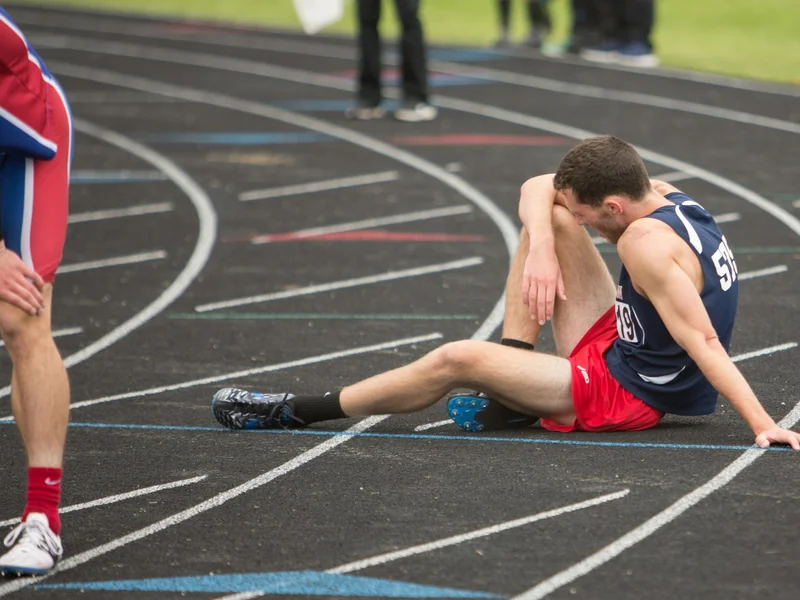
The run ends, the recovery starts
Most runners plan the run and very few plan the 30 minutes after it. That’s a shame, because the time straight after a run is when you decide how well you’ll recover: whether you cool down or seize up, whether you refuel or run on empty until dinner, and whether a sore calf is normal or a warning.
The good news is that, for most runs, a good recovery is simple. The details change with the distance, and they matter most after a long run.
How you might feel after a run
Good, and sometimes great
The lift in mood after a run is real. For a long time it was put down to endorphins, but a human study that blocked the body’s opioid system found people still felt the same post-run euphoria and calm. The researchers pointed instead to endocannabinoids, the body’s own cannabis-like chemicals, which rise during moderate, steady running.1 That’s why an easy 45 minutes often leaves you feeling better than a flat-out 15.
Not hungry, then very hungry
Hard or long running tends to blunt your appetite for an hour or so. A meta-analysis of exercise and eating found that people generally don’t eat more after a session to make up for what they burned, at least in the short term.2 That suppressed appetite is useful if you’re trying to lose weight, but after a long run it can trick you into skipping the food you need, only for a ravenous hunger to hit later in the day.
Tired, heavy-legged or wired
Some tiredness after a run is normal and tends to match how long and hard you went. Heavy legs after a long run are normal too. After a late-evening hard session, some runners feel wired and struggle to fall asleep; see sleep and running performance for how to handle that.
Cold
Many runners are surprised to finish a run warm and be shivering 15 minutes later. There’s a good reason for it, which we cover in detail below.
The first 15 minutes
Whatever the distance, the same few things help straight after you stop:
- Walk for a few minutes. Stopping dead after a hard effort lets blood pool in your legs and can leave you dizzy. A 5–10 minute walk or very easy jog brings your heart rate down gradually.
- Get out of wet clothes. Especially in cool or windy weather. Put on a dry top and a warm layer as soon as you can, even before you stretch or chat.
- Drink something. Start replacing fluid, more on that below.
- Eat, if it was a long or hard run. A snack within the hour if a proper meal is more than an hour or two away.
- Stretch, if you enjoy it. Gentle stretching feels good but won’t prevent soreness. See stretching before or after for what it does and doesn’t do.
Fueling after different run distances
What you need to eat depends on how much fuel you used and how soon you’ll run again. Your muscles store carbohydrate as glycogen, and an easy half hour barely dents it, while a two-hour long run can drain much of it.
Below, “body weight” figures use a 154 lb (70kg) runner as the example. Scale up or down for your own weight.
Short and easy runs (under about 45 minutes)
You don’t need a special recovery snack. Just eat your next normal meal. If the run was before breakfast, breakfast is your recovery meal. A sports drink, protein shake or energy bar after a 3-mile (5km) easy run adds calories you probably don’t need.
Medium runs and hard sessions (about 45–90 minutes)
This covers most tempo runs, interval sessions and mid-week runs. Your glycogen is partly used and your muscles have taken some damage from the harder work.
- Eat a meal or snack with carbohydrate and protein within about two hours.
- Protein: about 0.11–0.14 g per lb (0.25–0.3 g per kg) of body weight, which is around 20–25 g for most runners.3 That’s a large glass of milk and a yogurt, two or three eggs on toast, or a chicken sandwich.
- Carbohydrate: a normal portion of rice, pasta, potatoes, bread, cereal or fruit.
The idea of a strict 30-minute “anabolic window” has been largely overstated. A review of the timing research found that for most people, the total protein you eat across the day matters far more than whether you eat it in the first half hour.4 Eating within a couple of hours is plenty for medium runs.
Long runs (90 minutes and over) and races
This is where timing starts to matter. A long run can use up a large share of your glycogen, and muscles refill it fastest in the first few hours after you finish. In a classic study, delaying carbohydrate by two hours after exercise cut the rate of glycogen refilling by about half over that period.5
- Start eating within 30–60 minutes. If you can’t face a meal, have a recovery drink, chocolate milk, a banana and a cereal bar, or a bagel to start.
- Carbohydrate: the American College of Sports Medicine (ACSM) recommends about 0.45–0.55 g per lb (1.0–1.2 g per kg) per hour for the first four hours when you need to refuel quickly.3 For a 154 lb (70kg) runner, that’s roughly 70–85 g of carbohydrate per hour: a bagel with honey is about 60 g, a large banana about 30 g.
- Protein: the same 20–25 g as after a medium run. Adding protein to your carbohydrate also helps when you can’t stomach the full carbohydrate amount.6
- Then eat normal meals. After the first few hours, regular meals with plenty of carbohydrate finish the job.
You don’t need to hit these numbers exactly unless you’re running again within 24 hours, such as on a back-to-back long-run weekend or in a multi-day event. If your next run is two days away, a decent snack and a good meal will refill your glycogen anyway.
Quick reference
| Run | Eat | Drink |
|---|---|---|
| Under 45 min, easy | Next normal meal | Drink normally; water is fine |
| 45–90 min, or a hard session | Meal or snack with 20–25 g protein plus carbohydrate within ~2 hours | Water; replace the fluid you lost through the day |
| Over 90 min, or a race | Snack or recovery drink within 30–60 min, then carbohydrate-rich meals; 20–25 g protein | About 150% of fluid lost, with sodium, over 2–4 hours |
Hydration after different run distances
How much you drink afterward depends on how much you sweated. We cover this in full in running hydration: before, during and after, but in short:
- Short, cool runs: drink normally for the rest of the day. There’s nothing to catch up on.
- Medium runs, or any run in the heat: have a glass or two of water when you get in, then drink to thirst. Check your urine is back to a pale straw color within a few hours.
- Long runs and races: aim to replace about 150% of the fluid you lost, spread over two to four hours. That’s around 20–24 oz for every pound lost (1.25–1.5 liters per kg). Add sodium with a salty meal, an electrolyte drink or milk, so your body holds on to the fluid rather than passing it straight out.3
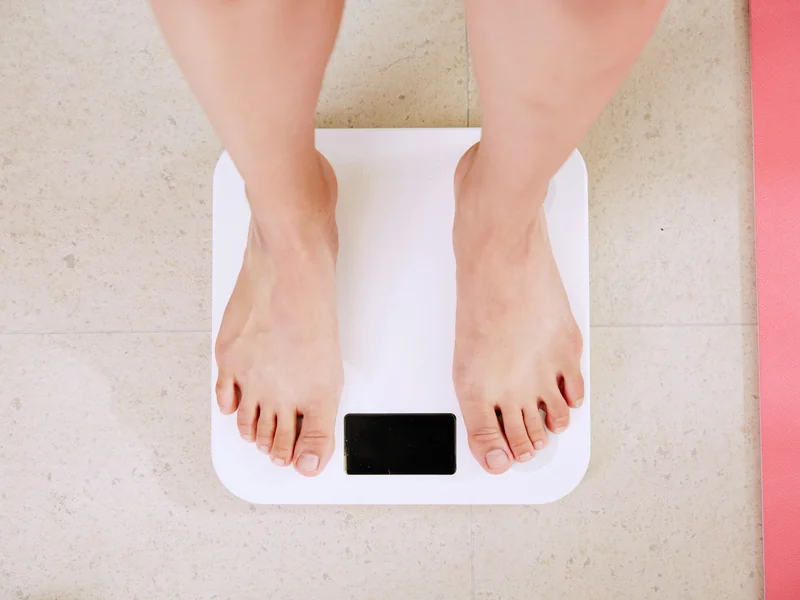
A useful check: weigh yourself before and after a long run. If you’re heavier afterward, you drank too much on the run. If you’re more than about 2% lighter, you didn’t drink enough.
Why you feel cold after a run
Feeling chilled after a run, sometimes to the point of shivering on a mild day, is common and usually harmless. Several things combine:
- You keep sweating, but you stop making heat. Running muscles produce a lot of heat. When you stop, heat production drops within a minute or two, but you’re still covered in sweat. That sweat keeps evaporating, and evaporation pulls heat out of your skin. Add a breeze and wet clothing and you cool down fast.
- Your skin is still full of warm blood. While you run, your body sends blood to your skin to get rid of heat. After you stop, it takes a while to rebalance, and your skin keeps losing heat to the air. Research into the body’s temperature control after exercise shows these heat-loss systems take time to settle after you stop.7
- Your blood pressure dips. For a few hours after running, blood pressure is often a little lower than usual, a normal effect called post-exercise hypotension.8 Combined with blood pooling in your legs, it can leave you lightheaded and clammy, which feels a lot like being cold.
- You’re low on fuel. Shivering is how your body makes heat when you’re cold, and it runs on the same carbohydrate stores you’ve just used up. In a study of people exposed to cold water, those with low muscle glycogen cooled down faster than those with full stores.9 This is part of why the chill tends to be worst after long runs, races and runs on an empty stomach.
How to stay warm
- Change out of wet clothes as soon as you stop. This is the single most useful thing. Carry a dry top in your car or bag for long runs and races.
- Cover up with a warm layer, hat and gloves, even if you feel fine in the first few minutes. The chill often arrives 10–20 minutes after you stop.
- Eat and drink something warm. A hot drink and a carbohydrate snack help on both fronts.
- Have a warm, not scalding, shower. A very hot shower straight after a long run, when your blood pressure is already lower, can make you lightheaded.
- After a race, keep the foil blanket on until you’ve changed.
If you’re shivering uncontrollably, becoming confused or slurring your words, or can’t warm up after 30 minutes in a warm place with dry clothes, get medical help. Those can be signs of hypothermia.
Listening to your body after a long run
Long runs are where most of your recovery questions come from, because they’re where your body has done the most unfamiliar work. Here’s what’s normal and what isn’t.
Why you get sore
The stiffness and aching that build the day after a long run is called delayed-onset muscle soreness (DOMS). It usually starts 12–24 hours after a run, peaks at 24–72 hours, and fades within about five to seven days.10
DOMS comes from tiny areas of damage in your muscle fibers, and the inflammation as your body repairs them.11 It’s not caused by lactic acid, which has cleared from your muscles within an hour or so of finishing. You’re most likely to be sore after:
- A run longer than you’re used to, especially your first runs over 90 minutes.
- Downhill running. Your thighs work as brakes on the way down, lengthening while under load. This is the type of muscle work that causes the most soreness, which is why hilly races leave your legs far sorer than flat ones.
- A new surface or shoe, or a faster pace than usual.
Soreness tends to drop sharply once your body gets used to a type of run. That’s why your first 10-mile (16km) long run might leave you hobbling and your fifth barely registers.
What helps with soreness
Nothing makes DOMS disappear, but some things make it easier to live with:
- Gentle movement. A walk, an easy spin on a bike or a very easy run a day or two later temporarily eases the stiffness. See active recovery vs rest days for how to choose.
- Sleep and food. Getting enough sleep, protein and carbohydrate gives your muscles what they need to repair.
- Massage or a foam roller. These can make you feel less sore for a while, although they don’t speed up repair.
Painkillers such as ibuprofen are best avoided as a routine habit after long runs, and especially before or during them, because they can stress your kidneys when you’re short of fluid.
Normal soreness vs a warning sign
| Usually normal | Get it checked |
|---|---|
| Dull, achy and spread across a whole muscle | Sharp, stabbing or pinpoint pain in one spot |
| Both legs, roughly equally | One side only, in a joint, bone or tendon |
| Worst the first day or two, then easing | Getting worse after three days, not better |
| Eases as you warm up and move | Worse when you run, or makes you limp |
| No swelling | Swelling, bruising, heat or redness |
Pain on the bone that gets worse with every run can be a stress fracture, and pain that changes your stride needs rest, not more miles. If something on the right-hand side of the table sounds familiar, stop running and see a doctor or physical therapist. Our guide to what to do when you’re injured and can’t run covers the next steps.
Other signs to take seriously
Seek medical help straight away if, after a long run or race, you have:
- Very dark, cola-colored urine, especially with severe muscle pain or weakness. That can be a sign of rhabdomyolysis, a serious breakdown of muscle tissue that can harm the kidneys.
- Confusion, a bad headache, vomiting or bloating, particularly if you drank a lot on the run. These can be signs of low blood sodium from drinking too much.
- Chest pain, a racing or irregular heartbeat, or fainting.
Tiredness, colds and the next few days
A long run leaves you tired for the rest of the day and sometimes into the next. That’s normal. If you’re still flat, struggling to sleep, or your easy runs feel unusually hard several days later, you may be building mileage too fast; see building weekly mileage safely.
You may have heard that a hard run leaves your immune system weakened for a few hours, making you more likely to catch a cold. A review of the evidence found that idea is largely a myth, and that regular exercise supports your immune system. Colds after races are more likely to come from crowds, travel and poor sleep than from the running itself.12
Getting back to running
After a long run, the next day or two should be rest or a short, very easy run. Use how you feel as your guide: if your legs are still stiff when you walk downstairs, keep it easy. After a race, recovery takes longer. A rough rule many coaches use is an easy day for every mile you raced, and our reverse tapering after a race article explains how to build back up.
What our routine looks like
Here’s what we do after a run. It’s simple and fits the research above:
- After short, easy runs: water, then breakfast or the next meal. Nothing special.
- After long runs: a dry top on straight away, a glass of milk or a recovery shake within half an hour, then electrolytes and a big carbohydrate-heavy meal over the next few hours.
- The day after a long run: rest or a very easy short run, and we pay attention to anything that hurts in one spot rather than all over.
Common questions
What should I eat after a run?
It depends on the run. After a short, easy run your next normal meal is enough; after 45–90 minutes or a hard session, eat carbohydrate plus around 20–25 g of protein within about two hours; after a long run or race, start eating within 30–60 minutes.
Why do I feel cold after running?
You stop making heat within a minute or two but keep sweating, and that sweat goes on pulling heat from your skin, especially in wet clothes or wind. Low fuel and a normal dip in blood pressure after running add to it, so change into dry clothes and a warm layer as soon as you stop.
How long does muscle soreness last after a long run?
Delayed-onset muscle soreness (DOMS) usually starts 12–24 hours after a run, peaks at 24–72 hours and fades within about five to seven days. Pain that’s sharp, in one spot, or getting worse after three days is worth getting checked.
Should I stretch after a run?
Only if you enjoy it. Gentle stretching after a run feels good, but it won’t prevent soreness.
This article is general information, not medical advice. If you have a medical condition, or pain that doesn’t settle with rest, see a doctor or physical therapist.
References
- Siebers M, Biedermann SV, Bindila L, Lutz B, Fuss J. Exercise-induced euphoria and anxiolysis do not depend on endogenous opioids in humans. Psychoneuroendocrinology, 2021. doi.org
- Schubert MM, Desbrow B, Sabapathy S, Leveritt M. Acute exercise and subsequent energy intake: a meta-analysis. Appetite, 2013. doi.org
- Thomas DT, Erdman KA, Burke LM. American College of Sports Medicine joint position statement: Nutrition and athletic performance. Medicine & Science in Sports & Exercise, 2016. doi.org
- Aragon AA, Schoenfeld BJ. Nutrient timing revisited: is there a post-exercise anabolic window? Journal of the International Society of Sports Nutrition, 2013. doi.org
- Ivy JL, Katz AL, Cutler CL, Sherman WM, Coyle EF. Muscle glycogen synthesis after exercise: effect of time of carbohydrate ingestion. Journal of Applied Physiology, 1988. doi.org
- Kerksick CM, Arent S, Schoenfeld BJ, et al. International Society of Sports Nutrition position stand: nutrient timing. Journal of the International Society of Sports Nutrition, 2017. doi.org
- Kenny GP, McGinn R. Restoration of thermoregulation after exercise. Journal of Applied Physiology, 2017. doi.org
- Halliwill JR. Mechanisms and clinical implications of post-exercise hypotension in humans. Exercise and Sport Sciences Reviews, 2001. doi.org
- Martineau L, Jacobs I. Muscle glycogen availability and temperature regulation in humans. Journal of Applied Physiology, 1989. doi.org
- Cheung K, Hume P, Maxwell L. Delayed onset muscle soreness: treatment strategies and performance factors. Sports Medicine, 2003. doi.org
- Peake JM, Neubauer O, Della Gatta PA, Nosaka K. Muscle damage and inflammation during recovery from exercise. Journal of Applied Physiology, 2017. doi.org
- Campbell JP, Turner JE. Debunking the myth of exercise-induced immune suppression: redefining the impact of exercise on immunological health across the lifespan. Frontiers in Immunology, 2018. doi.org