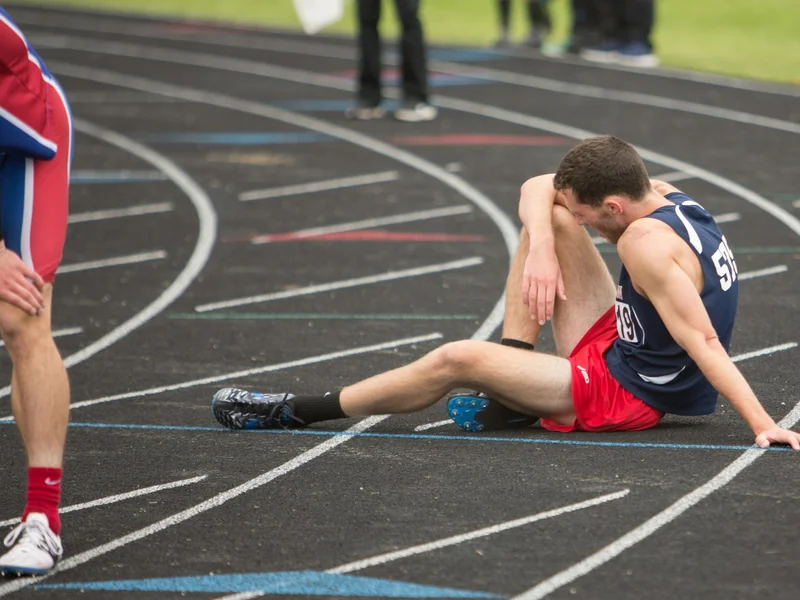
Is Your Training Holding You Back, or Is It Just Sleep?
A slow run doesn't always mean your training is off. A year of watch data from 224 recreational runners shows what a short night does to the next day's run, what hard training does to your sleep, and how to tell which one is holding you back.

How to Get Better Sleep to Improve Your Running
Practical sleep tips and options for runners, from a fixed wake time and a bedtime to-do list to blackout curtains, weighted blankets, tart cherry juice and melatonin, with an honest verdict on the evidence behind each one.
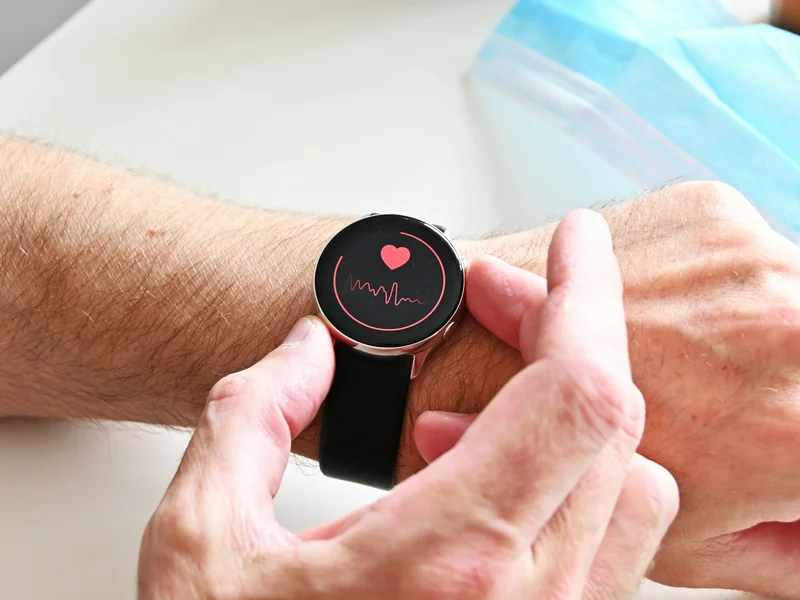
What Is HRV and Why Does It Matter for Runners?
Heart rate variability is the number your watch keeps nudging you about each morning. What HRV actually measures, how to record it so the data means something, what it can and can't tell you about your running, and how to use it to decide when to push and when to back off.
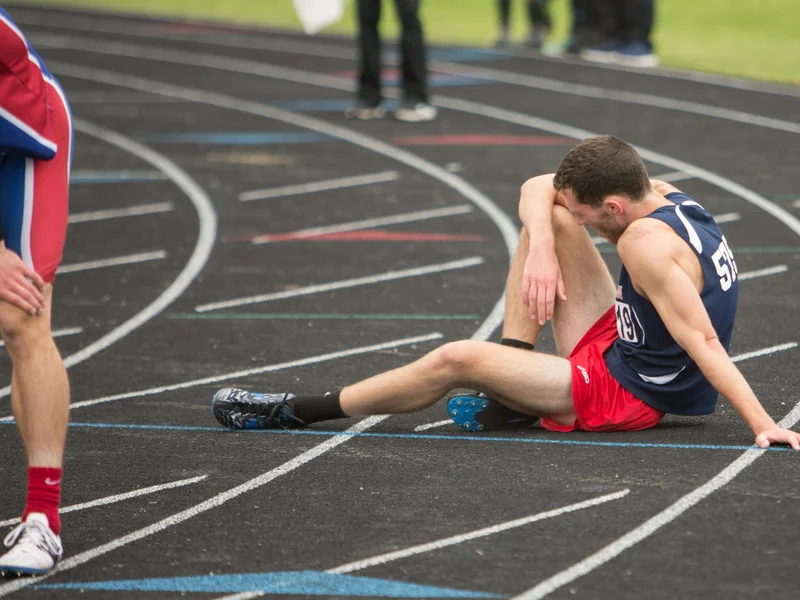
After the Run: How You'll Feel and What to Do Next
Why you feel buzzing, hungry, sore or suddenly cold after a run, what to eat and drink straight after short, medium and long runs, and how to read your body in the days after a long run.
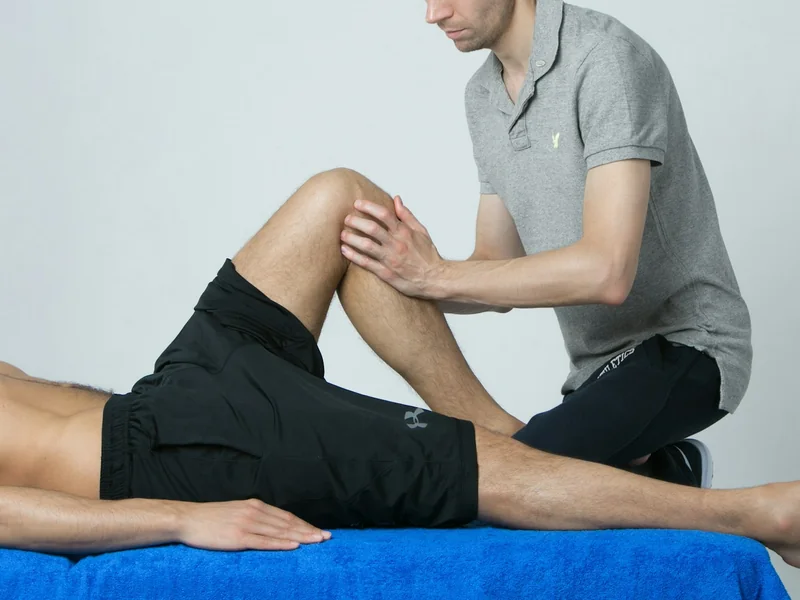
What to Do When You're Injured and Can't Run
Injured and told not to run? Which cross-training keeps the most fitness, what the deep-water running studies show, how fast fitness really fades, and how to look after your head while you wait.
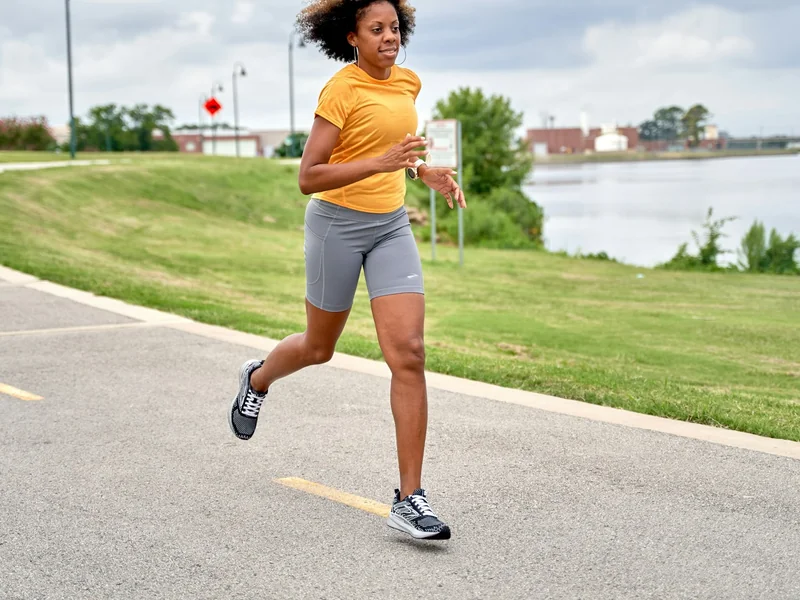
Coming Back to Running: After a Marathon, an Injury or Years Off
Whether you're a week past a marathon, cleared after an injury, or lacing up for the first time in years, the comeback is where most setbacks happen. A sensible first four to six weeks for each situation, and the signs you're doing too much.
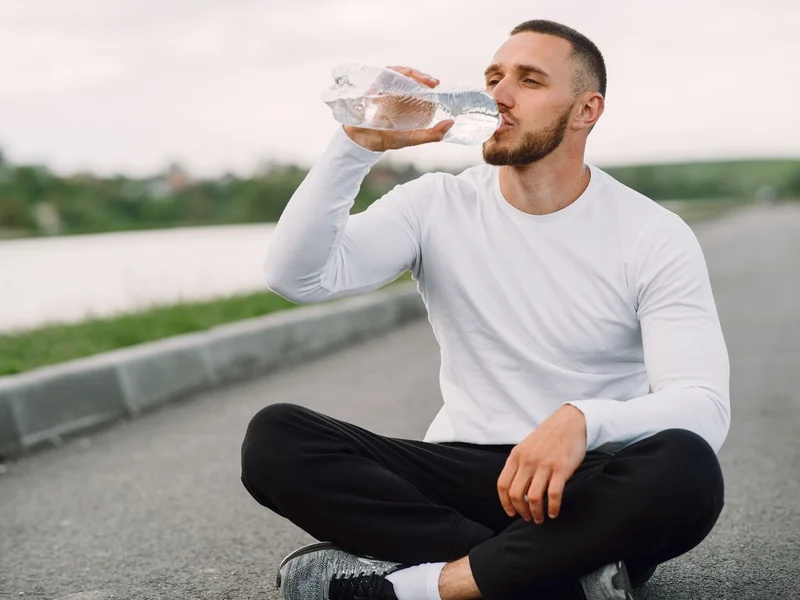
Running Hydration: What to Drink Before, During and After a Run
When to drink before, during and after a run, when you don't need water at all, whether you need electrolytes, how sweat rate and sweat salt change your needs, and simple at-home checks for your hydration.

Stretching: Before or After?
Static stretching before a run doesn't prevent injury, and the evidence saying it wrecks your performance is weaker than you've been told. What the reviews actually found, and what to do with your ten minutes instead.

Reverse Tapering: What It Is and How to Use It After a Race
A race leaves damage you can't feel once the soreness fades. What a reverse taper is, how long one should last for a 5K through a marathon, and a week-by-week plan for getting back to normal training without getting hurt.

Sleep and Running Performance
Sleep is the most powerful recovery tool a runner has, and the most neglected. Where it ranks against everything else, what poor sleep does to your running, how to track it without obsessing, and the evidence behind naps, sleep masks, bedroom temperature and binaural beats.

Active Recovery vs Rest Days
Active recovery has better evidence than complete rest for some things and none at all for others. What it genuinely does, what it can't do, and how a beginner should decide between a gentle session and doing nothing.