Evidence-based guides on training, nutrition, recovery, and staying injury-free.
A slow run doesn't always mean your training is off. A year of watch data from 224 recreational runners shows what a short night does to the next day's run, what hard training does to your sleep, and how to tell which one is holding you back.
Faster marathoners didn't run more hard sessions. They ran the same amount of hard running as slower runners, plus a lot more easy running. What a study of 119,452 runners found about intensity and marathon time.
An 18-month study of over 5,200 runners found that weekly mileage changes didn't predict injury. Single runs that went more than 10% beyond your longest recent run did. Here's what that means for your training.
A 2025 trial gave runners two identical pairs of super shoes, one labeled real and one labeled a knock-off. Belief changed how the shoes felt, but not how much energy running cost. Here's what that means, and what the 2026 research says about whether super shoes actually make you faster.
For years I ran hard for a few months, then stopped. Looking back, I was getting most of it wrong. What finally changed, and my nine tips for beginners: heart rate over pace, gear for every weather, cheap shoes, a morning habit, easy flat miles, headphones and tracking your volume.
A study of 151,813 marathons found the fastest runners trained over three times as much as slower runners. Here's what that link between weekly mileage and marathon time does and doesn't mean for your training.
What Norwegian singles are, how to train with three sub-threshold sessions a week, what the method is designed to do, and why runners choose it over other training approaches.
Altitude camps, sleeping high and training low, and altitude tents at home all promise more red blood cells and faster races. We look at what altitude does to your body, what the research shows for each approach, and who it's actually worth it for.
Super shoes, strength work, heat training, altitude camps, ice baths and form tweaks all promise to make you faster. We rank the most common tips from game changer to overhyped, using the research and what we see in everyday runners.
Local muscular endurance training began in Soviet sports science and helped win both the men's and women's races at the toughest 100-mile mountain race. Here's what it is, how to do it, and what the research says.
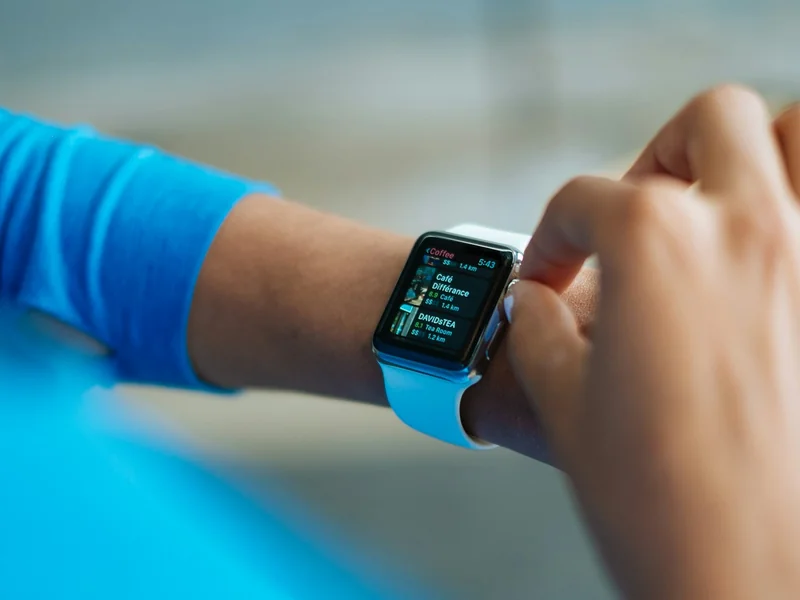
What online technology is available to runners, why digital platforms and tracking help your training, how Strava, Garmin Connect, Runalyze and Runna fit together, and which extra data sources, like a heart rate monitor, are worth adding.
Ten research-backed speed sessions for a faster 5K: strides, hill sprints, fartlek, tempo runs, cruise intervals, 5K-pace reps, VO₂ max intervals, 400s, 30/30s and the pyramid. What each one does, how to pace it, and how to choose between them.
Gels and sports drinks can cost hundreds of dollars a year and bathe your teeth in sugar for hours at a time. Cheap, homemade fuel works just as well in training. Here are simple recipes, including a rice, honey and salt mix, what each costs per serving, and how to protect your teeth.
Low heart rate training means every run stays in zones 1 and 2. How to set your ceiling with the Maffetone 180 formula or your zones, a 12-week zone 1 and 2 block, and the food, drink, sleep and time-of-day habits that keep your heart rate where it should be.
Runners who broke 3 hours in the marathon for five straight decades held their times into their 40s, then slowed by less than 7% per decade. What the research says about how fast runners slow down after 40, why longer races slow you down more, and why runners who keep racing decline more slowly.
A 2026 trial tested super shoes on moderately trained runners at paces from about 8 to 13 minutes per mile, and found real savings at every speed. A second 2026 study shows the benefit fading on hills. What both mean for your races, your training runs and your course.
Yes, you can skip the marathon and go straight to an ultra. Here's who it suits, the best first-ultra options, how ultra training differs from marathon training, and the gear you actually need.
Bored of running the same loop at the same pace? Here are 20 ways to mix it up: tempo, threshold, fartlek, intervals, hills, strides, drills and long runs, new surfaces and places, running with other people, the treadmill, and days when you don't run at all.
Practical sleep tips and options for runners, from a fixed wake time and a bedtime to-do list to blackout curtains, weighted blankets, tart cherry juice and melatonin, with an honest verdict on the evidence behind each one.
Usually, yes, if you're carrying extra fat. But the gains are smaller than the old rules of thumb suggest, they shrink as you get leaner, and losing weight the wrong way can make you slower. What the research says, how much faster you can expect to get, and how to lose weight without losing fitness.
Your watch says your VO2 max has dropped, but have you really lost fitness? The nine most common reasons the number falls, how to tell a bad reading from a real decline, and what to do about it.
Heart rate variability is the number your watch keeps nudging you about each morning. What HRV actually measures, how to record it so the data means something, what it can and can't tell you about your running, and how to use it to decide when to push and when to back off.
A practical, priority-ordered guide to running tech: GPS watches, heart rate straps, headphones, lights and headlamps, apps like Garmin Connect, COROS and Strava, training plan apps, and the extras worth (and not worth) your money.
Treadmill miles count. Why the belt isn't doing the work for you, what really is different from running outside, when a treadmill is the better choice, and how to set it up so your indoor runs carry over to the road.
How much to eat before, during and after your long run, based on how long you'll be on your feet and what kind of long run it is, from easy 90-minute runs to 3-hour marathon-pace sessions.
Why you feel buzzing, hungry, sore or suddenly cold after a run, what to eat and drink straight after short, medium and long runs, and how to read your body in the days after a long run.
Why running socks matter, which socks to avoid, how to match socks to distance and weather (from a summer 5K to a wet winter ultra), what toe socks and double-layer socks do for blisters, and whether expensive socks are worth the money.
Injured and told not to run? Which cross-training keeps the most fitness, what the deep-water running studies show, how fast fitness really fades, and how to look after your head while you wait.
Blisters on your toes from running almost every day? What causes them, how to prevent them with the right socks, tape, lacing and toe box, how to treat one so it heals fast, and the signs of infection to watch for.
Whether you're a week past a marathon, cleared after an injury, or lacing up for the first time in years, the comeback is where most setbacks happen. A sensible first four to six weeks for each situation, and the signs you're doing too much.
If you weigh over 220 lb (100 kg), "go to a running store" is true but not much help. What body weight actually changes about a running shoe, why max cushion isn't automatically the answer, how fast midsoles wear, and a checklist to take shopping.
Everyone quotes 300–500 miles, but the evidence behind it is old and thin. Where the figure comes from, what makes shoes wear faster or slower, the physical signs a pair is done, and how to track mileage so letting go is an easy decision.
If you run three times a week, is a $250 shoe worth it? What the extra money buys, what the super-shoe research shows and who it applies to, cost per mile, how to save, and a quick decision guide based on mileage and goals.
When to drink before, during and after a run, when you don't need water at all, whether you need electrolytes, how sweat rate and sweat salt change your needs, and simple at-home checks for your hydration.
The race you pick decides your whole training plan. How to match a goal race to the hours you actually have, how far out to book it, which distance fits you, how often to race, and how training blocks get you to the start line.
Shin splints are the classic beginner injury, and the classic advice about them is mostly wrong. What actually causes medial tibial stress syndrome, which risk factors the research supports, and how to tell it apart from a stress fracture.
What the Norwegian double threshold method is, how the sessions work, what it does to your body, what the research says, and which runners should consider it.
Running is one of the best tools there is for losing weight and keeping it off, but not for the reason most people think. How to start safely when you're carrying a lot of extra weight, which kinds of running actually help, what your body goes through, and how to balance food against training without breaking down.
What the Easy Interval Method is, how a session is structured, why runners use it, where it came from, and the pros and cons of running intervals that never feel hard.
Fitness is built by the weeks that happen, not by the occasional great run. Ten practical ways to keep getting out the door, from music and audiobooks to the right gear, a fixed routine, running with other people and putting a race on the calendar, with the research behind each one.
Once one pair of daily trainers isn't the whole story, the shoe wall gets confusing: recovery shoes, tempo shoes, super trainers, carbon racers and trail shoes. What each type is for, when it's worth buying, which ones you can skip, and how to build a rotation one pair at a time.
Strength training is one of the few things outside running with good evidence for both performance and injury risk. How long sessions need to be, the exercises worth your time, how often to lift, and how to rotate your program through the year.
Taking 10 minutes off your 10K means running 1:36 per mile (1:00 per km) faster. The key sessions, how much to run each week, what else helps, how to test your fitness, and how often to go for a personal record.
Five runs that make you faster over 6.2 miles (10km): the long easy run, threshold intervals, 10K-pace reps, VO2 max intervals and the progression run. How to run each one, how to pace it, and how to fit them into your week.
VO2 max is the ceiling on how much oxygen your body can use. What it is, why it matters, how it shapes your running, the sessions that raise it, and how to measure yours without a lab.
You can run 3.1 miles (5km). Here's how to build up to your first 6.2 miles (10km): adding a fourth run, growing a long run half a mile at a time, and what a long run looks like when it takes you further than you've ever run.
Super shoes, caffeine, beetroot juice, sodium bicarbonate, heat training and Nomio broccoli shots all promise faster race times. We rank them by the percentage gain the research actually supports, what that means for your 5K and marathon, and how to use each one safely.
Static stretching before a run doesn't prevent injury, and the evidence saying it wrecks your performance is weaker than you've been told. What the reviews actually found, and what to do with your ten minutes instead.
Which running drills to use for each race distance, how to do them, and where they fit in your week. A core drill library, plus how the mix shifts from power and turnover for the 5K to relaxed, efficient form for the marathon.
Almost every training plan counts down to a race. If races aren't your thing, you still need something to aim at. Why plans are built around race day, the traps of training for nothing in particular, and how to keep improving year after year without one.
Heart rate zones are useful, but almost everyone builds them on a formula that's wrong by 10 to 15 beats for most people. How the zones work, why 220-minus-age fails, and how to set yours up so the numbers mean something.
A 3.7-mile (6km) interval session: warm-up, three 0.3-mile (500m) threshold reps with easy jog recoveries, and a cooldown. What threshold running is, how to pace it, and how to fit your first proper hard session into the week.
A race leaves damage you can't feel once the soreness fades. What a reverse taper is, how long one should last for a 5K through a marathon, and a week-by-week plan for getting back to normal training without getting hurt.
Easy runs are easy so your hard runs can be hard. How to shift the balance of easy and hard training through the year for any race distance, and how to measure your runs so you know you're getting it right.
A 5.6-mile (9km) session in blocks: a 1.2-mile (2km) warm-up, 1.9 miles (3km) at tempo, 1.9 miles (3km) at threshold and a 0.6-mile (1km) cooldown. How to pace each block, what the session does, and why it's the key session of the late build phase.
Sleep is the most powerful recovery tool a runner has, and the most neglected. Where it ranks against everything else, what poor sleep does to your running, how to track it without obsessing, and the evidence behind naps, sleep masks, bedroom temperature and binaural beats.
From never having run a step to world class, every runner sits somewhere on the same scale. The eight stages, the markers that tell you where you are, what to do and avoid at each one, and what it actually takes to cross into the next.
A 3.7-mile (6km) steady run at a 7 out of 10 effort, with your heart rate controlled in zones 2 and 3. How it differs from a classic tempo run, why it belongs in the base phase, and how to fit it into your week.
A 3.1-mile (5km) run that starts very easy and gets quicker every 0.62-mile (1km) split, climbing through every heart rate zone and finishing with a brief push to 9 out of 10. How to pace each split, what the session does, and how to fit it into your build-phase week.
Core training is universally recommended and the evidence for it is genuinely mixed — particularly the claim that it improves running economy. What holds up, what doesn't, and a routine built around the part that does.
A 3.1-mile (5km) zone 2 easy run finished with a handful of short, fast strides. What strides are, why they belong in the base phase, how to run them, and where the session fits in your week.
The 4.3-mile (7km) zone 2 easy run is the foundation of 5K training. What it's for, how to run it at a very easy 3 or 4 out of 10 effort, why walking is allowed, and how to fit it around the rest of your week.
The nine-week plan that takes you from walking to running for 30 minutes without stopping — what each week asks of you, why the walk breaks are the active ingredient, and what the research says about getting through it uninjured.
180 steps per minute is one of running's most repeated numbers, and one of its most misunderstood. What the research says about slow cadence, whether your height sets your step rate, and when it's worth training to raise it.
An aerobic base is built slowly, on flat ground, with your heart rate held in zones 1 and 2. How to find your zones with a chest strap, why you'll need to run slower than feels right, and what progress looks like for beginners and more experienced runners.
Forget the nine-week plan. Run three times a week, cover the same 2 miles (3km) each time, and run as much of it as you can at a pace barely faster than a brisk walk. Here's why the simplest plan is usually the one that survives.
Gait analysis and pronation-based shoe prescription have been standard practice for decades, and the evidence behind them doesn't hold up. What four decades of footwear research concluded, and the one criterion that does predict well.
The 10% rule is the most repeated advice in running and the evidence for it is surprisingly thin. What the research actually supports about increasing training load, and a progression that works in practice.
Almost every problem new runners hit traces back to the same handful of errors — and most of them are encouraged by advice that sounds sensible. The nine that matter, and what the evidence says to do instead.
Active recovery has better evidence than complete rest for some things and none at all for others. What it genuinely does, what it can't do, and how a beginner should decide between a gentle session and doing nothing.
No articles match your filters.
We use cookies for analytics to improve your experience.Cookie Policy