Where to start as a beginner
If you're just getting going, read how to start running first, then follow Couch to 5K week by week. Common beginner running mistakes will save you from the usual setbacks.
Staying healthy matters more than speed early on. How to avoid shin splints and building weekly mileage safely cover the most common way new runners get hurt: doing too much too soon. What to do after a run explains what's normal to feel afterward.
For kit, choosing the right running shoes is the one purchase that matters. To make running a habit, see 10 ways to keep running consistently, and when you're ready for the next step, how to go from 5K to 10K.

How I Finally Made Running Stick After Years of Stopping and Starting
For years I ran hard for a few months, then stopped. Looking back, I was getting most of it wrong. What finally changed, and my nine tips for beginners: heart rate over pace, gear for every weather, cheap shoes, a morning habit, easy flat miles, headphones and tracking your volume.
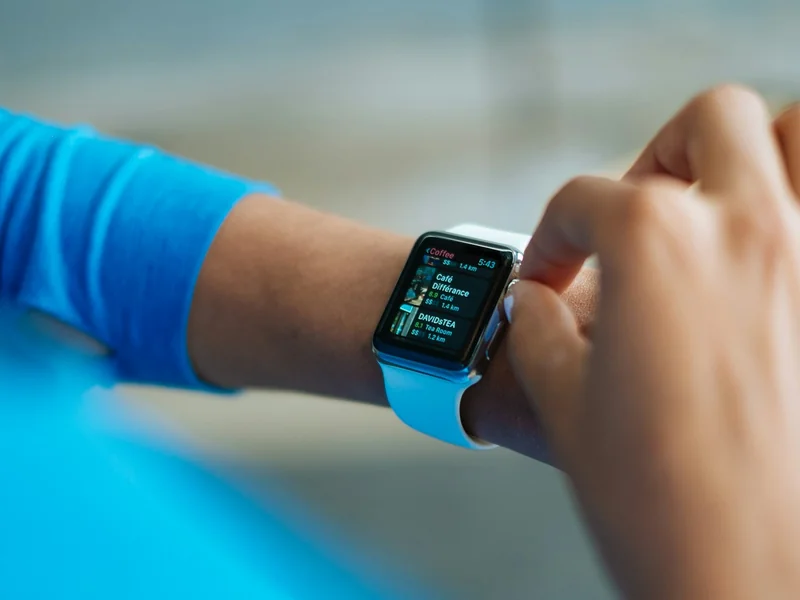
How to Run Using Heart Rate: A Guide to Low Heart Rate Training
Low heart rate training means every run stays in zones 1 and 2. How to set your ceiling with the Maffetone 180 formula or your zones, a 12-week zone 1 and 2 block, and the food, drink, sleep and time-of-day habits that keep your heart rate where it should be.

20 Ways to Mix Up Your Running
Bored of running the same loop at the same pace? Here are 20 ways to mix it up: tempo, threshold, fartlek, intervals, hills, strides, drills and long runs, new surfaces and places, running with other people, the treadmill, and days when you don't run at all.
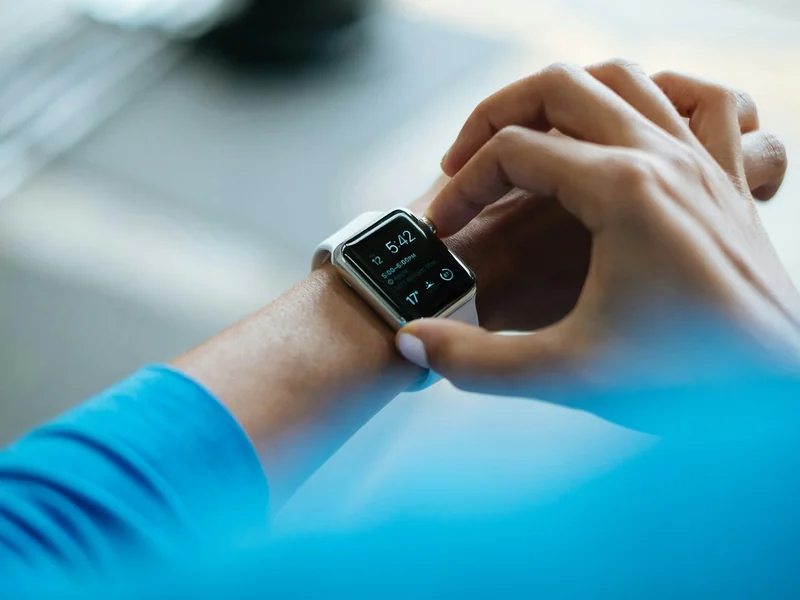
Which Running Devices Should You Invest In?
A practical, priority-ordered guide to running tech: GPS watches, heart rate straps, headphones, lights and headlamps, apps like Garmin Connect, COROS and Strava, training plan apps, and the extras worth (and not worth) your money.
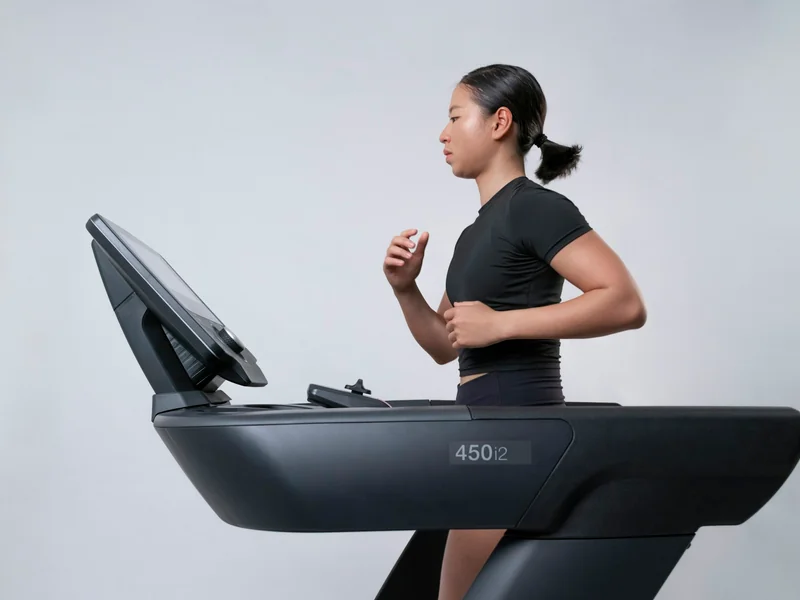
Should You Use a Treadmill in Your Training? Is It Cheating?
Treadmill miles count. Why the belt isn't doing the work for you, what really is different from running outside, when a treadmill is the better choice, and how to set it up so your indoor runs carry over to the road.

After the Run: How You'll Feel and What to Do Next
Why you feel buzzing, hungry, sore or suddenly cold after a run, what to eat and drink straight after short, medium and long runs, and how to read your body in the days after a long run.

Running Shoes for Heavier Runners: What Actually Matters
If you weigh over 220 lb (100 kg), "go to a running store" is true but not much help. What body weight actually changes about a running shoe, why max cushion isn't automatically the answer, how fast midsoles wear, and a checklist to take shopping.
How to Avoid Shin Splints
Shin splints are the classic beginner injury, and the classic advice about them is mostly wrong. What actually causes medial tibial stress syndrome, which risk factors the research supports, and how to tell it apart from a stress fracture.
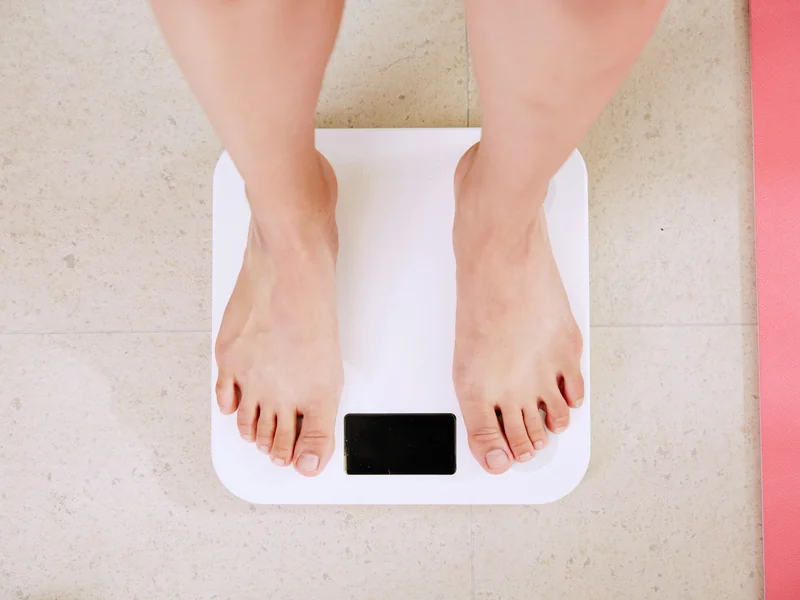
How to Use Running to Lose Weight
Running is one of the best tools there is for losing weight and keeping it off, but not for the reason most people think. How to start safely when you're carrying a lot of extra weight, which kinds of running actually help, what your body goes through, and how to balance food against training without breaking down.

10 Ways to Keep Running Consistently
Fitness is built by the weeks that happen, not by the occasional great run. Ten practical ways to keep getting out the door, from music and audiobooks to the right gear, a fixed routine, running with other people and putting a race on the calendar, with the research behind each one.
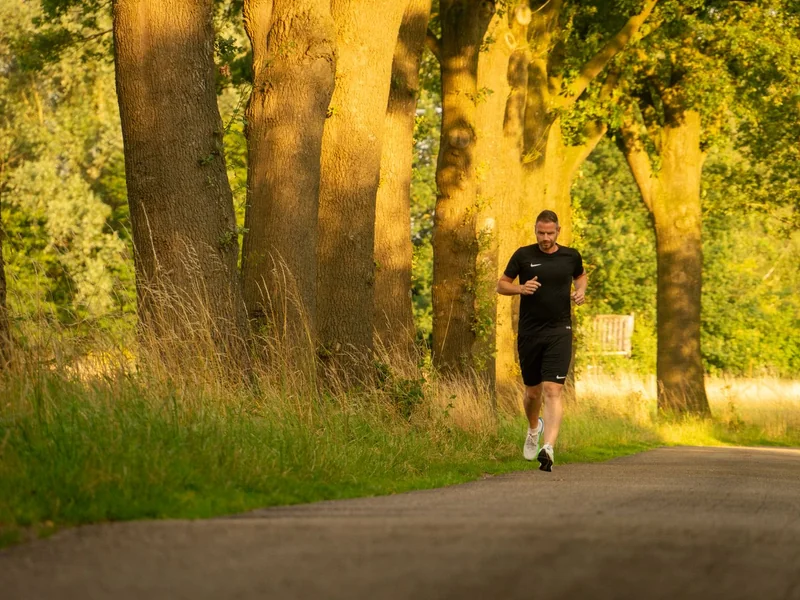
From 5K to 10K: How to Double Your Distance
You can run 3.1 miles (5km). Here's how to build up to your first 6.2 miles (10km): adding a fourth run, growing a long run half a mile at a time, and what a long run looks like when it takes you further than you've ever run.

The Eight Stages of a Runner
From never having run a step to world class, every runner sits somewhere on the same scale. The eight stages, the markers that tell you where you are, what to do and avoid at each one, and what it actually takes to cross into the next.

Core Workouts for Runners
Core training is universally recommended and the evidence for it is genuinely mixed — particularly the claim that it improves running economy. What holds up, what doesn't, and a routine built around the part that does.

5K Base Phase: The Easy Run with Strides
A 3.1-mile (5km) zone 2 easy run finished with a handful of short, fast strides. What strides are, why they belong in the base phase, how to run them, and where the session fits in your week.

5K Base Phase: The Zone 2 Easy Run
The 4.3-mile (7km) zone 2 easy run is the foundation of 5K training. What it's for, how to run it at a very easy 3 or 4 out of 10 effort, why walking is allowed, and how to fit it around the rest of your week.

Couch to 5K: Week by Week
The nine-week plan that takes you from walking to running for 30 minutes without stopping — what each week asks of you, why the walk breaks are the active ingredient, and what the research says about getting through it uninjured.

How to Build an Aerobic Base
An aerobic base is built slowly, on flat ground, with your heart rate held in zones 1 and 2. How to find your zones with a chest strap, why you'll need to run slower than feels right, and what progress looks like for beginners and more experienced runners.

How to Start Running
Forget the nine-week plan. Run three times a week, cover the same 2 miles (3km) each time, and run as much of it as you can at a pace barely faster than a brisk walk. Here's why the simplest plan is usually the one that survives.

Choosing the Right Running Shoes
Gait analysis and pronation-based shoe prescription have been standard practice for decades, and the evidence behind them doesn't hold up. What four decades of footwear research concluded, and the one criterion that does predict well.

Common Beginner Running Mistakes
Almost every problem new runners hit traces back to the same handful of errors — and most of them are encouraged by advice that sounds sensible. The nine that matter, and what the evidence says to do instead.