Where to start with running gear
Shoes come first. Read choosing the right running shoes, then whether expensive running shoes are worth it and how many miles running shoes last. Once you're running regularly, running shoe rotation explains what to buy next. If you're a bigger runner, see running shoes for heavier runners.
Wondering about carbon-plated racers? Do super shoes help at 10-minute-mile pace? looks at what they do for everyday runners.
Beyond shoes, choosing running socks prevents most blisters, and which running devices to invest in and running apps and online platforms help you decide what tech is worth paying for.
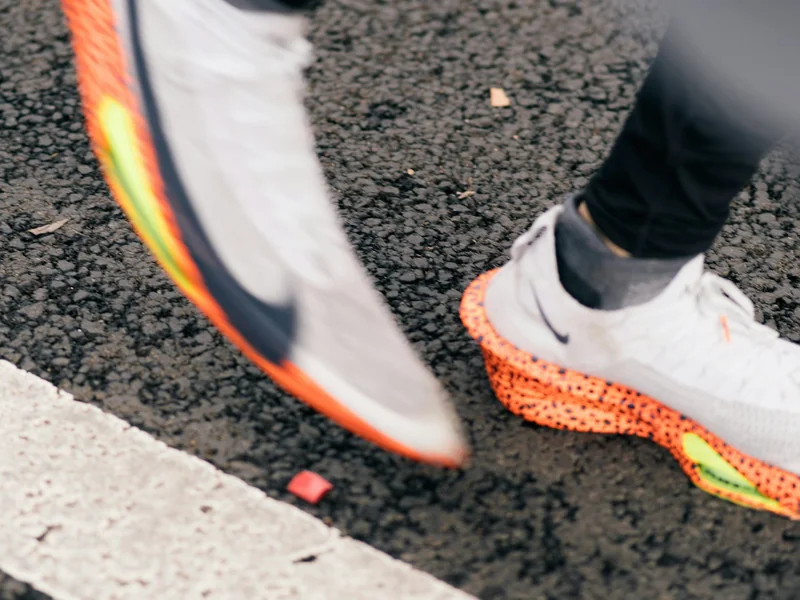
Are Super Shoes Just a Placebo Effect or Do They Make You Faster?
A 2025 trial gave runners two identical pairs of super shoes, one labeled real and one labeled a knock-off. Belief changed how the shoes felt, but not how much energy running cost. Here's what that means, and what the 2026 research says about whether super shoes actually make you faster.
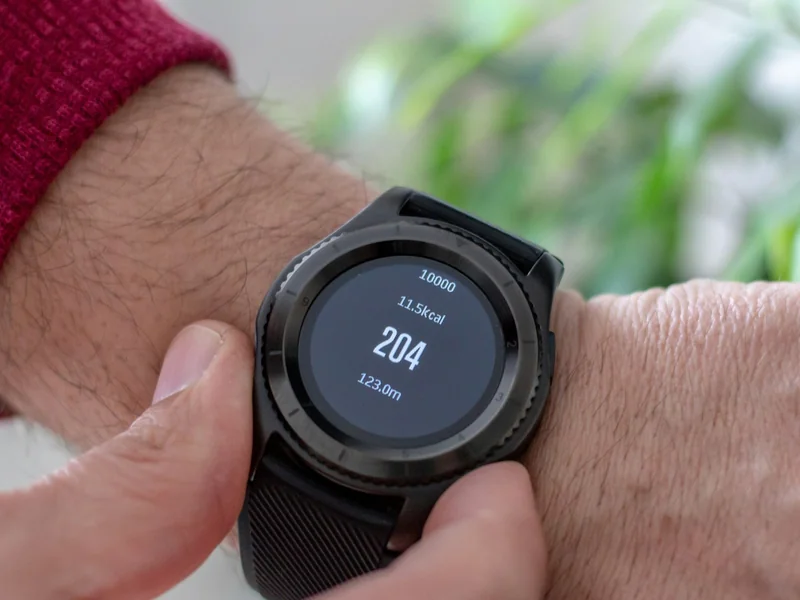
Running Apps and Online Platforms: Strava, Garmin, Runalyze, Runna and More
What online technology is available to runners, why digital platforms and tracking help your training, how Strava, Garmin Connect, Runalyze and Runna fit together, and which extra data sources, like a heart rate monitor, are worth adding.

Do Super Shoes Help at 10-Minute-Mile Pace?
A 2026 trial tested super shoes on moderately trained runners at paces from about 8 to 13 minutes per mile, and found real savings at every speed. A second 2026 study shows the benefit fading on hills. What both mean for your races, your training runs and your course.

Can You Run an Ultramarathon Before a Marathon?
Yes, you can skip the marathon and go straight to an ultra. Here's who it suits, the best first-ultra options, how ultra training differs from marathon training, and the gear you actually need.
Why Is My VO2 Max Dropping? 9 Reasons Your Watch Score Fell
Your watch says your VO2 max has dropped, but have you really lost fitness? The nine most common reasons the number falls, how to tell a bad reading from a real decline, and what to do about it.
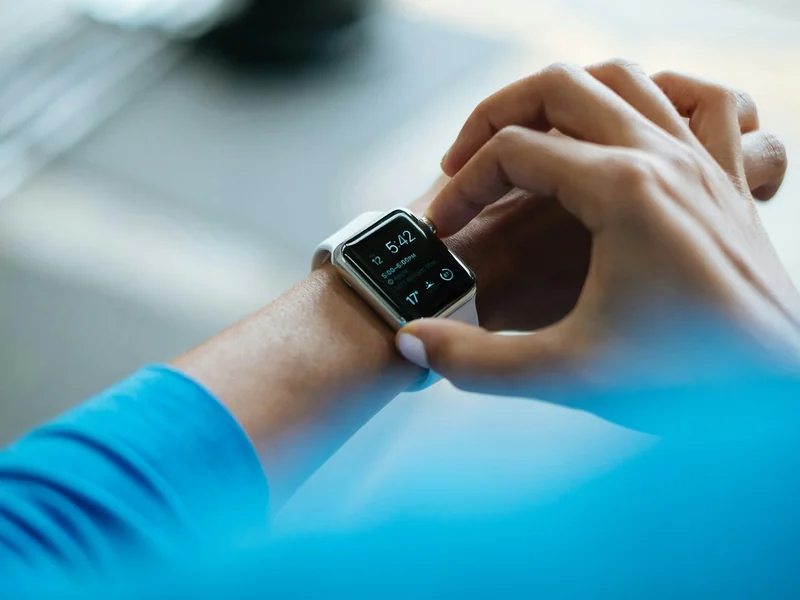
Which Running Devices Should You Invest In?
A practical, priority-ordered guide to running tech: GPS watches, heart rate straps, headphones, lights and headlamps, apps like Garmin Connect, COROS and Strava, training plan apps, and the extras worth (and not worth) your money.
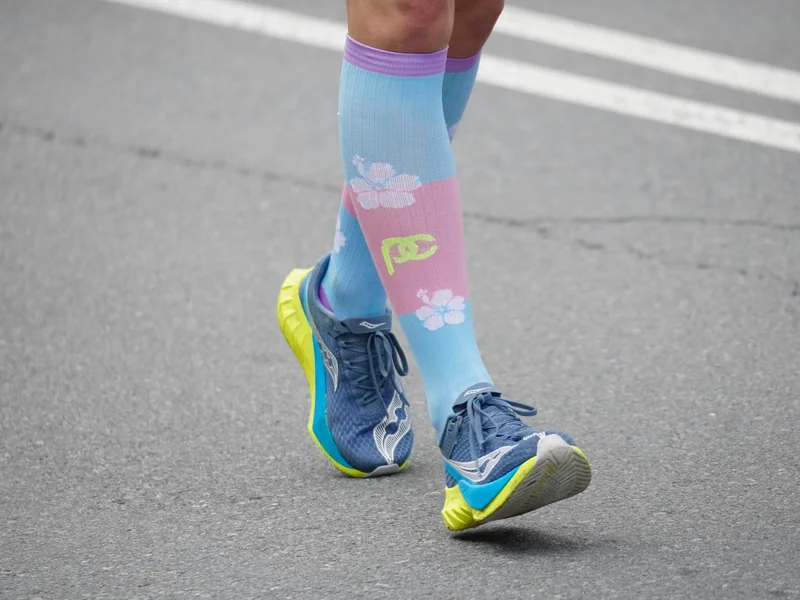
Best Running Socks: How to Choose the Right Pair
Why running socks matter, which socks to avoid, how to match socks to distance and weather (from a summer 5K to a wet winter ultra), what toe socks and double-layer socks do for blisters, and whether expensive socks are worth the money.
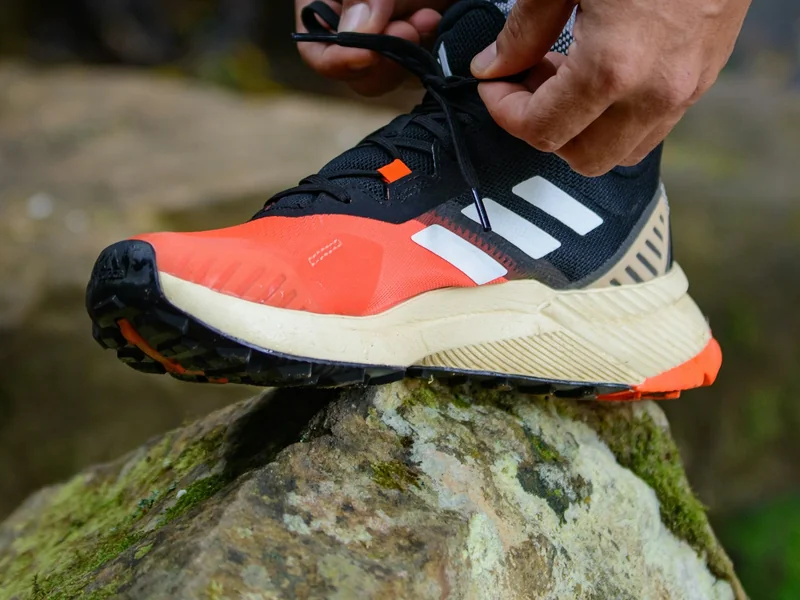
Running Blisters: Why They Happen and How to Stop Them
Blisters on your toes from running almost every day? What causes them, how to prevent them with the right socks, tape, lacing and toe box, how to treat one so it heals fast, and the signs of infection to watch for.

Running Shoes for Heavier Runners: What Actually Matters
If you weigh over 220 lb (100 kg), "go to a running store" is true but not much help. What body weight actually changes about a running shoe, why max cushion isn't automatically the answer, how fast midsoles wear, and a checklist to take shopping.
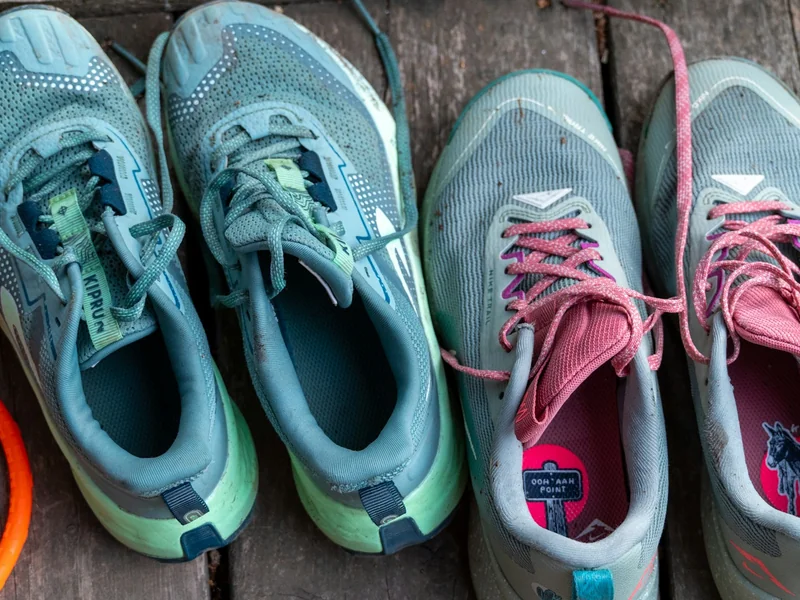
How Many Miles Do Running Shoes Last?
Everyone quotes 300–500 miles, but the evidence behind it is old and thin. Where the figure comes from, what makes shoes wear faster or slower, the physical signs a pair is done, and how to track mileage so letting go is an easy decision.
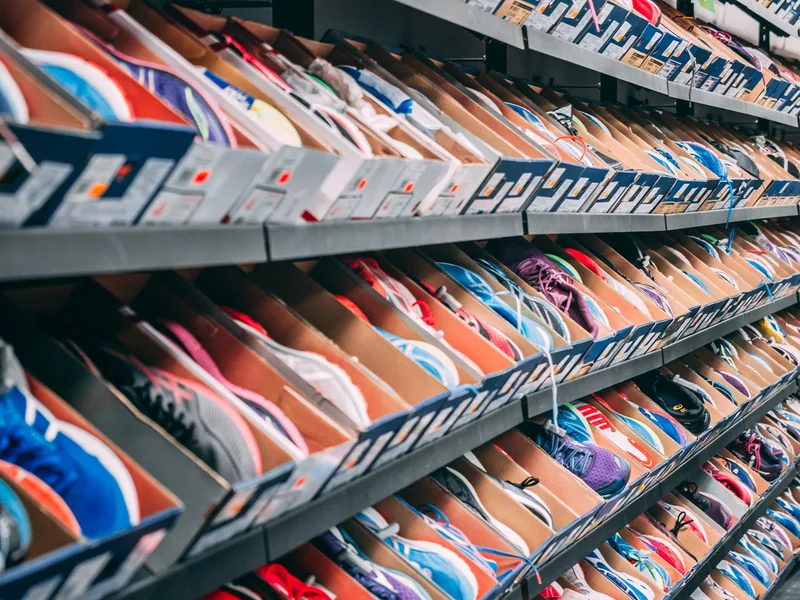
Are Expensive Running Shoes Worth It?
If you run three times a week, is a $250 shoe worth it? What the extra money buys, what the super-shoe research shows and who it applies to, cost per mile, how to save, and a quick decision guide based on mileage and goals.

10 Ways to Keep Running Consistently
Fitness is built by the weeks that happen, not by the occasional great run. Ten practical ways to keep getting out the door, from music and audiobooks to the right gear, a fixed routine, running with other people and putting a race on the calendar, with the research behind each one.
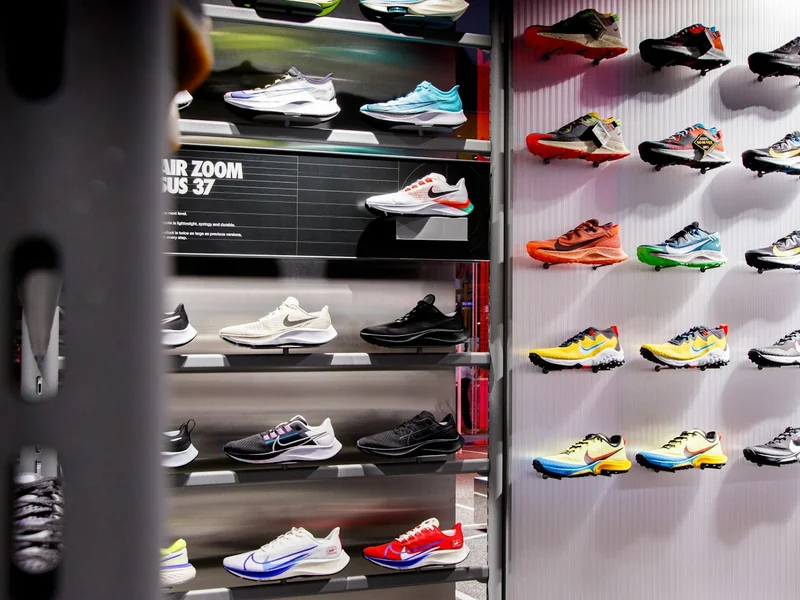
Running Shoe Rotation: What to Buy Next, and When
Once one pair of daily trainers isn't the whole story, the shoe wall gets confusing: recovery shoes, tempo shoes, super trainers, carbon racers and trail shoes. What each type is for, when it's worth buying, which ones you can skip, and how to build a rotation one pair at a time.

Legal Performance Boosters: What Each One Is Really Worth
Super shoes, caffeine, beetroot juice, sodium bicarbonate, heat training and Nomio broccoli shots all promise faster race times. We rank them by the percentage gain the research actually supports, what that means for your 5K and marathon, and how to use each one safely.

How to Start Running
Forget the nine-week plan. Run three times a week, cover the same 2 miles (3km) each time, and run as much of it as you can at a pace barely faster than a brisk walk. Here's why the simplest plan is usually the one that survives.
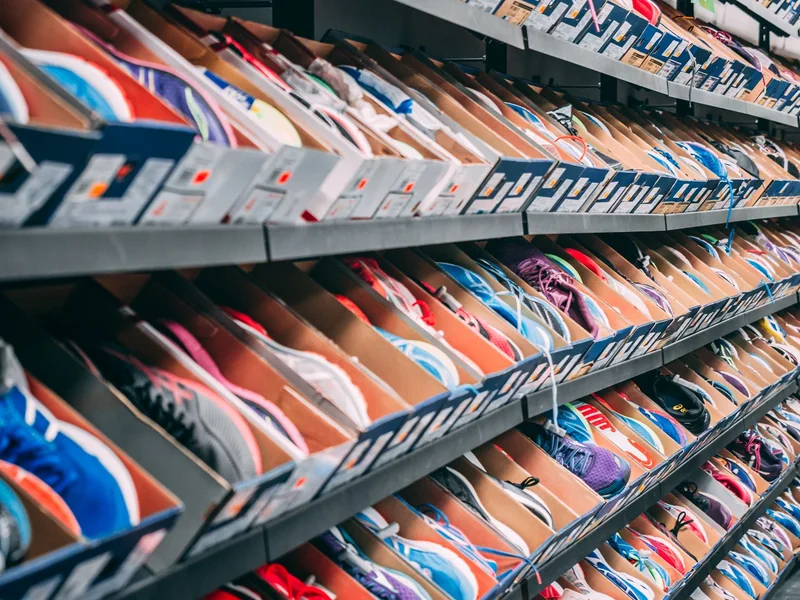
Choosing the Right Running Shoes
Gait analysis and pronation-based shoe prescription have been standard practice for decades, and the evidence behind them doesn't hold up. What four decades of footwear research concluded, and the one criterion that does predict well.