Your watch is only half of it
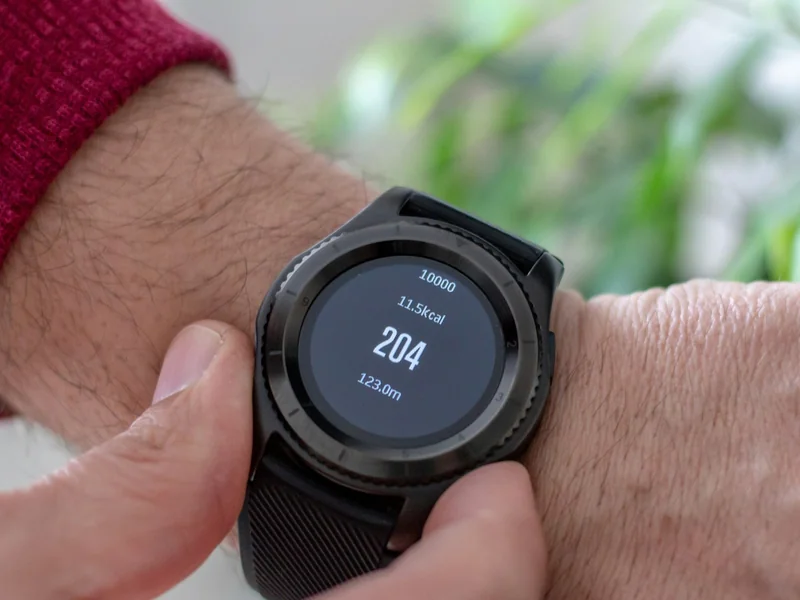
Most runners think of running tech as the thing on their wrist. But the watch is mainly a recorder. The real value is in what happens after you upload a run: the platforms that store it, analyze it, share it and use it to plan what you do next.
There are now dozens of these platforms, and many runners use three or four at once without being quite sure what each one is for. This guide explains the main options, why it’s worth using them at all, and which other data sources, like a heart rate monitor, add something useful.
If you’re still deciding which devices to buy, start with our guide to which running devices you should invest in. This article picks up where that one leaves off.
Why use a digital platform at all?
You can run for years with nothing more than a notebook, and some runners happily do. But an online platform does a few things a notebook can’t.
- It records everything automatically. Distance, pace, time, heart rate and route are logged without you lifting a pen, so your history is complete even in the weeks you’d never have bothered writing anything down.
- It shows trends you can’t see run by run. Whether your easy pace is creeping down at the same heart rate, or your weekly mileage has quietly doubled, is obvious on a chart and invisible day to day.
- It plans as well as records. Structured workouts, training plans and race predictions turn your history into a plan for next week.
- It connects you to other runners. For many people, this is the part that keeps them going.
That last point is backed by good evidence. An umbrella review pooling 39 systematic reviews and meta-analyses, covering about 164,000 people, found that wearing an activity tracker increased physical activity by roughly 1,800 steps, or about 40 minutes of walking, a day.1 And a study of about 1.1 million runners on a global fitness-tracking network found that running is socially contagious: when a runner’s friends ran more, so did they, even after accounting for shared weather.2 Seeing other people’s runs genuinely gets people out the door.
Why track your running?
Tracking isn’t about collecting numbers for their own sake. Used well, it helps with four practical things.
1. Staying consistent
Consistency is the single biggest driver of improvement for most runners. A log makes it visible. A streak of weeks, a monthly total or a simple calendar full of runs is motivating, and a gap is an early warning that life is getting in the way. Our 10 ways to keep running consistently covers the habits that go with it.
2. Avoiding the jumps that cause injuries
Most running injuries are overuse injuries, and they tend to follow a sudden jump in how much you run. Tracking is how you spot that jump before it bites.
The most useful finding here comes from a 2025 study that followed 5,205 runners from 87 countries for 18 months using their GPS (Global Positioning System) watch data. The researchers found that a single run more than 10% longer than your longest run in the previous 30 days was linked to a higher risk of overuse injury, and the risk rose with the size of the jump. A run roughly double your recent longest more than doubled the injury rate. Surprisingly, the usual week-to-week mileage comparisons predicted injury far less well than these single-session spikes.3
You can’t check that from memory. With a training log, it takes ten seconds: look at your longest run in the last month before you head out for a long one. Our guide to building weekly mileage safely puts this into a full plan.
3. Keeping easy runs easy
Most runners run their easy days too hard. Heart rate data makes this impossible to ignore. If your “easy” runs keep drifting into zone 3, they aren’t easy, and a platform that shows your time in each zone will tell you so. Easy means zones 1–2. Our articles on why easy runs should feel easy and understanding heart rate zones explain why it matters.
4. Seeing whether training is working
Over weeks and months, your data shows whether you’re getting fitter: a faster pace at the same heart rate, a lower resting heart rate, or a higher estimated VO2 max (maximal oxygen uptake). None of these is perfect on its own, but together they tell you whether your training is heading in the right direction. If your estimates are going the wrong way, our article on why your VO2 max might be dropping explains the usual causes.
When tracking stops helping
Data is a tool, not a judge. If you find yourself cutting runs short because your watch says you’re “unproductive,” stretching a cooldown to hit a round number, or racing strangers on easy days, the data is working against you. Leave the watch at home for an occasional run, or hide pace on easy days. Your training still counts if nobody sees it.
How the platforms fit together
It helps to think of running platforms in three layers:
- Your device’s own app (Garmin Connect, COROS, Polar Flow, Suunto, Apple Health). Every run lands here first. It’s the hub that sends your data on to everything else.
- Social and community platforms (Strava, Nike Run Club). Where you share runs, find routes and connect with other runners.
- Analysis and planning platforms (Runalyze, Intervals.icu, TrainingPeaks, Runna). Where you dig into the numbers or get a training plan.
Once you connect them, a run recorded on your watch syncs to your device app and is passed automatically to every other platform you’ve linked. You record once and it appears everywhere.
| Platform | Main job | Free version | Paid version | Best for |
|---|---|---|---|---|
| Garmin Connect | Device hub, training history, health data, workouts | Comprehensive | Connect+ adds extra insights | Anyone with a Garmin watch |
| Strava | Social network, routes, segments | Recording, sharing, clubs | Routes, deeper analysis, progress tracking | Motivation and community |
| Runalyze | In-depth training analysis | Nearly everything | Extra analysis tools; supports the site | Runners who love data |
| Runna | Personalized training plans | Limited | Full adaptive plans | Runners who want a plan without a coach |
| Intervals.icu | Training load and analysis | Full features | Optional supporter donation | Data-minded runners and triathletes |
| TrainingPeaks | Plans and coach communication | Basic logging | Full planning and analysis | Runners working with a coach |
The main platforms
Garmin Connect (and other watch apps)
If you own a Garmin watch, Garmin Connect is your hub. It syncs every run, shows your training history, tracks health data such as sleep, resting heart rate and HRV (heart rate variability), and lets you build structured workouts and send them to your watch. It also includes free adaptive training plans and race-time predictions.
The free version is comprehensive. Garmin’s paid Connect+ tier, launched in 2025, adds extra insights and features, but everything that was free before remains free.4 Most runners won’t miss it.
COROS, Polar, Suunto and Apple all offer their own equivalent apps, and they do broadly the same job for their own watches. If you change brands, most platforms let you export your history so you don’t lose it.
Strava
Strava is the social network of running, and its biggest strength is that it works with almost every watch and phone. It doesn’t matter what device you or your friends use.
What it does well:
- Community. Kudos, comments and clubs. Seeing your running club’s weekend long runs is a powerful nudge to do yours.
- Routes and heatmaps. The heatmap shows where people actually run, which makes finding safe, popular routes in a new town easy.
- Segments. Short sections of road or trail where you can compare your times with your own past efforts and with other runners.
- One home for everything. Many runners use Strava as their permanent log, because it outlasts any one watch brand.
The free version covers recording, sharing and community. The paid subscription, around $80 a year, adds route planning, deeper analysis and progress tracking. Strava bought the training plan app Runna in 2025 and now sells the two together as a bundle, at about $150 a year.5
Watch the comparison trap. Segments and leaderboards are fun, but they make it very easy to race your easy runs. If that’s you, hide pace on easy days or make them private.
Runalyze
Runalyze is a free, web-based training analysis platform, built by a small team in Germany. It doesn’t record runs itself. Instead, it pulls them in automatically from Garmin, COROS, Polar, Suunto and others, then analyzes them in far more depth than most device apps.
What it does well:
- Effective VO2 max. An estimate of your fitness based on the relationship between your heart rate and your pace on each run, tracked over time.
- Race predictions for distances from 3K to the marathon and beyond, based on your current fitness.
- Marathon shape, a Runalyze measure of how well your recent weekly mileage and long runs have prepared you for longer races, which adjusts its marathon prediction accordingly.6
- Training load and fatigue charts, so you can see when you’re building and when you need to back off.
- Heart rate zone, HRV and pace breakdowns for every run.
Almost all of Runalyze is free. A paid Premium plan, around €60 a year, adds extra analysis tools such as quality-session and best-segment analysis, and a cheaper Supporter plan removes ads.7 If you like data and want to understand your training rather than just log it, Runalyze is one of the best free tools available.
Runna
Runna is a training plan app. You tell it your goal race, current fitness and which days you can run, and it builds a personalized plan with specific sessions and paces. It adapts as you go, and its workouts sync to your watch so they appear on your wrist automatically.
It suits runners who want structure but don’t want to write their own plan or pay for a coach. Before you subscribe, check two things:
- Are the easy runs genuinely easy? Plan apps sometimes set easy paces too quick. If yours does, slow down and run by heart rate or effort instead.
- Do you need it? Garmin Connect and the COROS app both include free plans. For many runners, they’re enough.
Runna costs about $120 a year on its own, or comes bundled with Strava.5
Others worth knowing about
- Intervals.icu is a free, browser-based analysis platform, funded by optional supporter donations. It’s popular with data-minded runners and triathletes for its training load and fitness charts.
- TrainingPeaks is the standard platform for working with a coach. Your coach writes sessions into your calendar, and you see how they match what you actually ran.
- Nike Run Club is a free phone app with audio-guided runs, which suits beginners who run with their phone.
- Apple Health and Google Health Connect act as data hubs on your phone, passing information between apps.
Other data sources worth adding
Pace and distance from your watch’s GPS are the starting point. These are the extra data sources that add most to the picture.
A heart rate monitor
Heart rate tells you how hard your body is working, regardless of hills, wind or heat. That makes it the most useful single addition to pace data.
Every running watch has an optical sensor on the back, which reads blood flow through your wrist. It’s fine for steady easy runs, but it struggles with intervals, hills, cold weather and arm movement, and it can lock on to your step rate instead of your heart rate. A chest strap measures your heart’s electrical signal directly and is much more accurate, especially for harder sessions.8 At roughly $50–100, it’s the best-value upgrade for any runner who trains by heart rate.
Accurate heart rate data makes every platform above more useful: zone breakdowns, training load, effective VO2 max and race predictions all depend on it. Our guide on how to run using heart rate explains how to use it day to day.
Resting heart rate and HRV
Your resting heart rate and HRV, the variation in time between heartbeats, are two of the best signs of how well you’re recovering. Most watches measure both overnight. Watched over weeks, rather than day to day, they can flag illness, poor sleep or a training load that’s too high. Our article on what HRV is for runners covers how to read it.
Sleep
Sleep is where adaptation happens, and most watches and rings estimate it. The estimates of sleep stages aren’t very accurate, but total sleep time and consistency are useful trends. See sleep and running performance and how to get better sleep for running.
Cadence and running form
Many watches measure cadence (steps per minute) from the wrist, and chest straps or foot pods can add more detail, such as ground contact time. These numbers are interesting, but most runners don’t need to change them. Our article on whether cadence really matters explains when it’s worth paying attention.
Running power
Running power meters, usually small foot pods, estimate the work you’re doing in watts. Unlike pace, power responds instantly to hills and wind. They’re a niche tool, and most runners will get more from a chest strap, but some runners on hilly routes like them for pacing.
Shoe mileage
Strava, Garmin Connect and Runalyze all let you log which shoes you wore on each run, so you know how many miles each pair has done. It’s a simple way to know when it’s time to replace them. See how many miles running shoes last.
How you feel
The most important data source isn’t a device. A quick rating of how hard a run felt, often called RPE (rating of perceived exertion) on a 1–10 scale, plus a word or two about sleep, soreness or stress, adds the context no sensor can measure. Most platforms have a notes field or an effort rating. Use it. A hard-feeling run at a normal heart rate, or a heavy-legged week, is often the first sign you need more rest.
Setting up without getting overwhelmed
- Start with your device’s app. Make sure runs sync automatically. That’s your hub.
- Add one social or analysis platform, depending on what motivates you. Strava for community, Runalyze for understanding your training.
- Connect them once, and let the syncing do the work.
- Set your heart rate zones properly in your device app, so zone data is right everywhere.
- Check your privacy settings before you share anything publicly.
- Look at trends weekly, not after every run.
Protecting your privacy
Your runs often start and end at your front door, so a public profile can reveal where you live and when you’re out. In 2018, Strava’s public heatmap showed the outlines of military bases around the world, simply from soldiers logging their runs.9 If it can do that, it can show your daily routine.
- Set a privacy zone (Strava and Garmin both offer them) around your home, workplace and anywhere else you regularly start runs.
- Limit who can see your activities to followers you approve, or make them private.
- Turn off live sharing of your location except with people you choose.
- Review connected apps occasionally and remove the ones you no longer use.
Which setup suits you?
| Your running | A good setup |
|---|---|
| Just starting out | Your phone or watch’s free app, plus Strava’s free version if friends use it |
| Running regularly, no race goal | Device app plus Strava for motivation and routes |
| Training for a race on your own | Device app with its free plan, or Runna, plus Runalyze to track fitness and race predictions |
| Data-minded runner | Device app, Runalyze or Intervals.icu, and a chest heart rate strap |
| Working with a coach | Device app plus TrainingPeaks (or whatever your coach uses) |
The best platform is the one you’ll actually use. Most runners need their device’s app and one other. Add a chest strap if you train by heart rate, check your privacy settings, and look at your data weekly. Then go out and run.
This article is general information, not medical advice.
References
- Ferguson T, Olds T, Curtis R et al. Effectiveness of wearable activity trackers to increase physical activity and improve health: a systematic review of systematic reviews and meta-analyses. The Lancet Digital Health, 2022. pubmed.ncbi.nlm.nih.gov
- Aral S, Nicolaides C. Exercise contagion in a global social network. Nature Communications, 2017. doi.org
- Frandsen JSB et al. How much running is too much? Identifying high-risk running sessions in a 5200-person cohort study. British Journal of Sports Medicine, 2025. researchportal.lih.lu
- Garmin. Garmin Connect+ announcement and pricing, March 2025. t3.com
- Strava and Runna joint subscription, pricing and acquisition. tomsguide.com
- Runalyze. Glossary: marathon shape and effective VO2max. runalyze.com
- Runalyze pricing, 2026. runalyze.com
- Gillinov S et al. Variable accuracy of wearable heart rate monitors during aerobic exercise. Medicine & Science in Sports & Exercise, 2017. pubmed.ncbi.nlm.nih.gov
- Strava’s global heatmap reveals military bases, January 2018. cnbc.com