Where to start with the science
These articles explain the physiology behind the advice in plain language. Start with VO₂ max for runners (your maximum rate of oxygen use), then understanding heart rate zones and how to run using heart rate.
If you want to know whether something will make you faster, read do super shoes help at 10-minute-mile pace?, legal performance boosters ranked and is altitude training worth it?.
For the numbers your watch gives you, see what heart rate variability (HRV) means for runners, why your VO₂ max score might be dropping and whether cadence really matters. And for the long view, how much you really slow down with age.

Is Your Training Holding You Back, or Is It Just Sleep?
A slow run doesn't always mean your training is off. A year of watch data from 224 recreational runners shows what a short night does to the next day's run, what hard training does to your sleep, and how to tell which one is holding you back.

Does Training Intensity Affect Your Marathon Time? Lessons from 151,813 Marathons
Faster marathoners didn't run more hard sessions. They ran the same amount of hard running as slower runners, plus a lot more easy running. What a study of 119,452 runners found about intensity and marathon time.

Are You Running the Right Volume per Week, or Too Much?
An 18-month study of over 5,200 runners found that weekly mileage changes didn't predict injury. Single runs that went more than 10% beyond your longest recent run did. Here's what that means for your training.
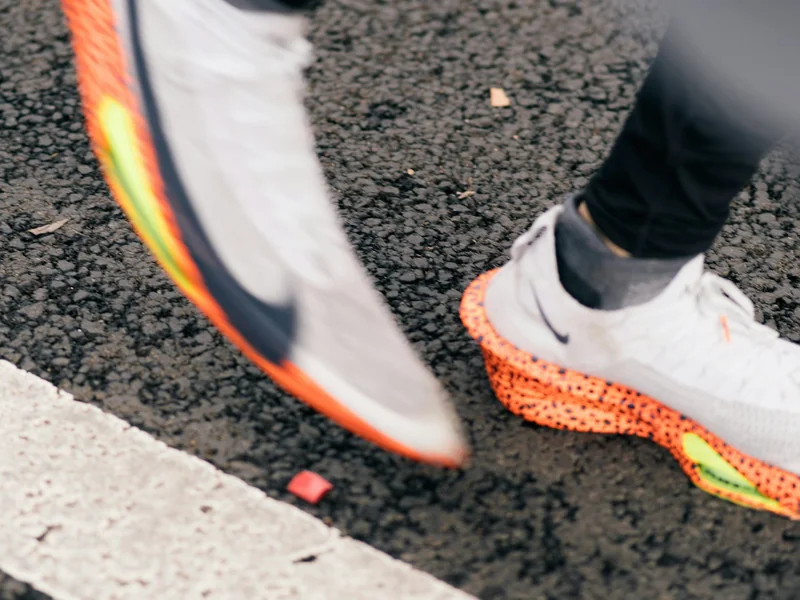
Are Super Shoes Just a Placebo Effect or Do They Make You Faster?
A 2025 trial gave runners two identical pairs of super shoes, one labeled real and one labeled a knock-off. Belief changed how the shoes felt, but not how much energy running cost. Here's what that means, and what the 2026 research says about whether super shoes actually make you faster.

Does Running More Make You a Faster Marathoner? What 120,000 Runners Show
A study of 151,813 marathons found the fastest runners trained over three times as much as slower runners. Here's what that link between weekly mileage and marathon time does and doesn't mean for your training.

Norwegian Singles: Sub-Threshold Training for Everyday Runners
What Norwegian singles are, how to train with three sub-threshold sessions a week, what the method is designed to do, and why runners choose it over other training approaches.

Is Altitude Training Worth It? Sleep High, Train Low and Altitude Tents Explained
Altitude camps, sleeping high and training low, and altitude tents at home all promise more red blood cells and faster races. We look at what altitude does to your body, what the research shows for each approach, and who it's actually worth it for.
How to Run Faster: 10 Tips Ranked by What Actually Works
Super shoes, strength work, heat training, altitude camps, ice baths and form tweaks all promise to make you faster. We rank the most common tips from game changer to overhyped, using the research and what we see in everyday runners.

The Winning Russian Training Method: Local Muscular Endurance
Local muscular endurance training began in Soviet sports science and helped win both the men's and women's races at the toughest 100-mile mountain race. Here's what it is, how to do it, and what the research says.
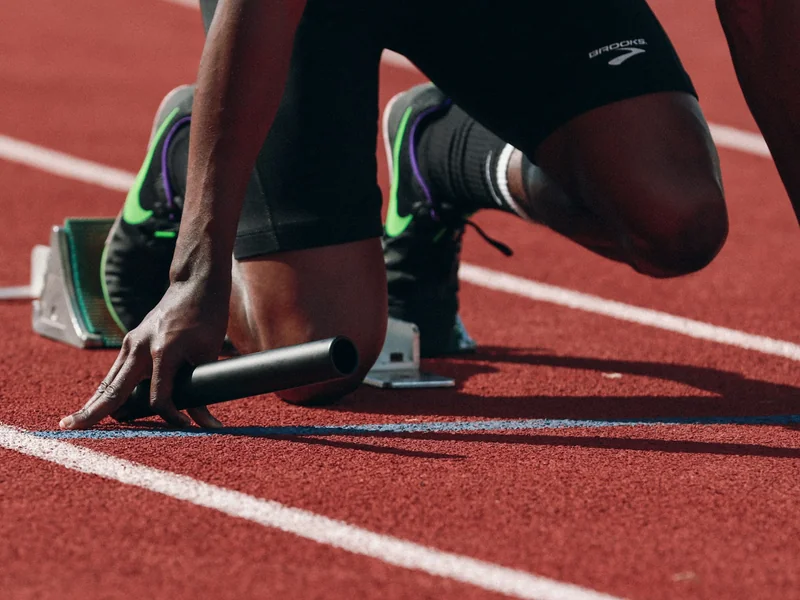
The 10 Best Speed Workouts for a Faster 5K
Ten research-backed speed sessions for a faster 5K: strides, hill sprints, fartlek, tempo runs, cruise intervals, 5K-pace reps, VO₂ max intervals, 400s, 30/30s and the pyramid. What each one does, how to pace it, and how to choose between them.
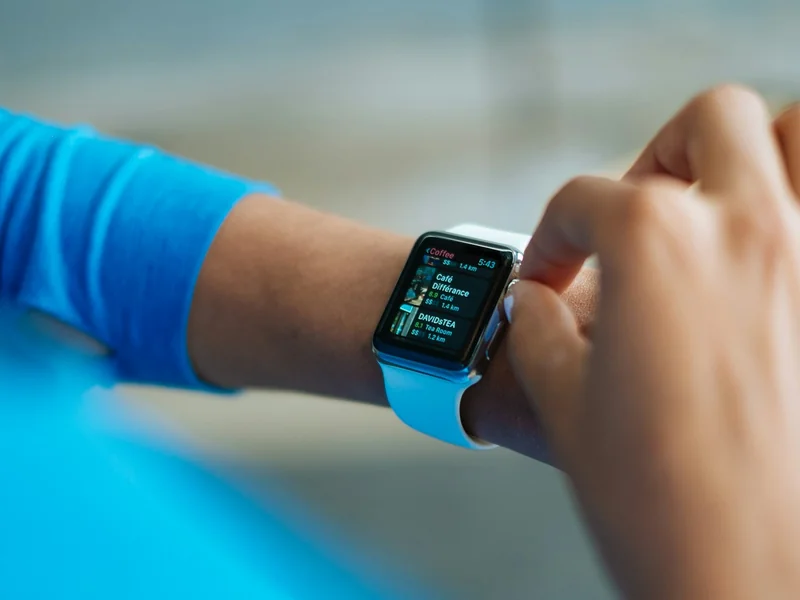
How to Run Using Heart Rate: A Guide to Low Heart Rate Training
Low heart rate training means every run stays in zones 1 and 2. How to set your ceiling with the Maffetone 180 formula or your zones, a 12-week zone 1 and 2 block, and the food, drink, sleep and time-of-day habits that keep your heart rate where it should be.
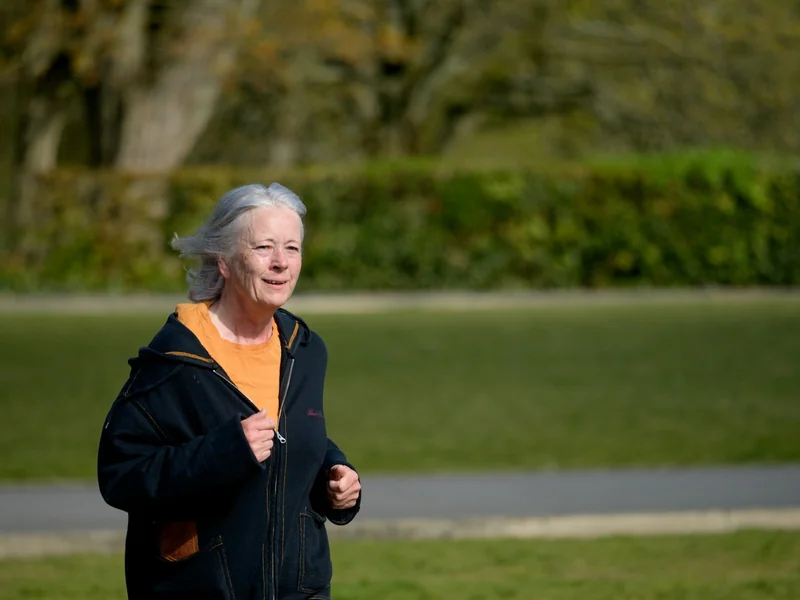
How Much Do You Really Slow Down With Age?
Runners who broke 3 hours in the marathon for five straight decades held their times into their 40s, then slowed by less than 7% per decade. What the research says about how fast runners slow down after 40, why longer races slow you down more, and why runners who keep racing decline more slowly.

Do Super Shoes Help at 10-Minute-Mile Pace?
A 2026 trial tested super shoes on moderately trained runners at paces from about 8 to 13 minutes per mile, and found real savings at every speed. A second 2026 study shows the benefit fading on hills. What both mean for your races, your training runs and your course.

Does Losing Weight Make You a Faster Runner?
Usually, yes, if you're carrying extra fat. But the gains are smaller than the old rules of thumb suggest, they shrink as you get leaner, and losing weight the wrong way can make you slower. What the research says, how much faster you can expect to get, and how to lose weight without losing fitness.

Why Is My VO2 Max Dropping? 9 Reasons Your Watch Score Fell
Your watch says your VO2 max has dropped, but have you really lost fitness? The nine most common reasons the number falls, how to tell a bad reading from a real decline, and what to do about it.
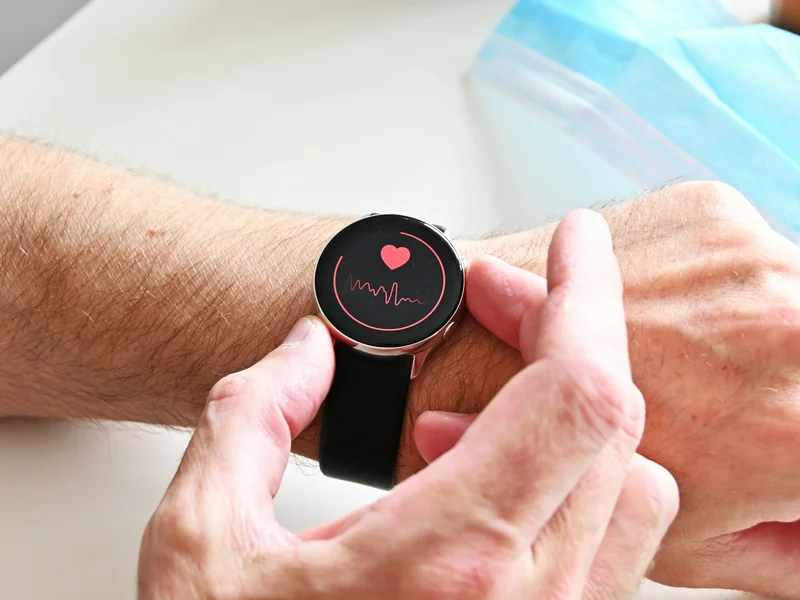
What Is HRV and Why Does It Matter for Runners?
Heart rate variability is the number your watch keeps nudging you about each morning. What HRV actually measures, how to record it so the data means something, what it can and can't tell you about your running, and how to use it to decide when to push and when to back off.
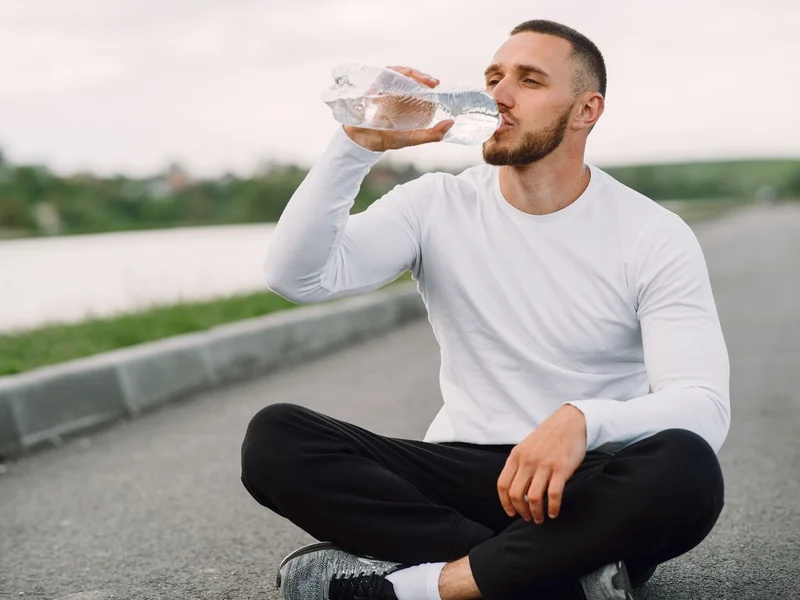
Running Hydration: What to Drink Before, During and After a Run
When to drink before, during and after a run, when you don't need water at all, whether you need electrolytes, how sweat rate and sweat salt change your needs, and simple at-home checks for your hydration.
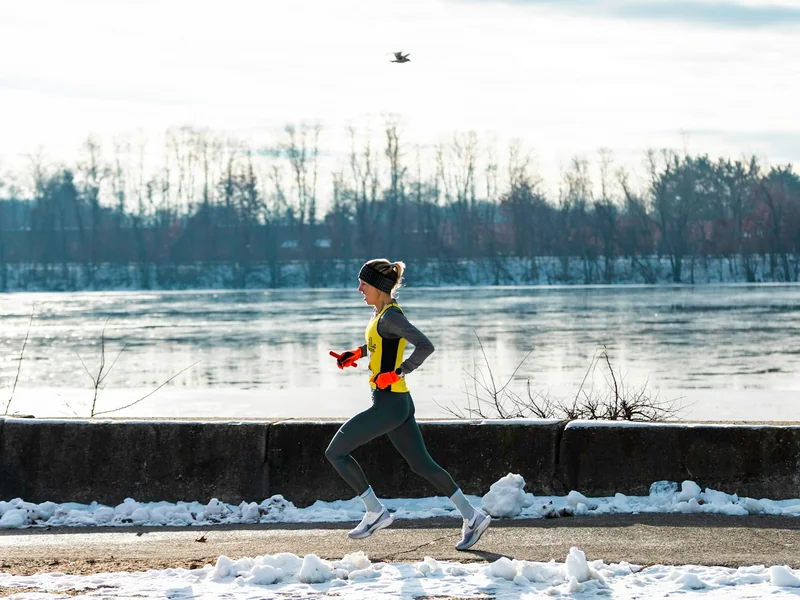
The Norwegian Method: Double Threshold Training Explained
What the Norwegian double threshold method is, how the sessions work, what it does to your body, what the research says, and which runners should consider it.
Easy Interval Training: Faster Running Without the Strain
What the Easy Interval Method is, how a session is structured, why runners use it, where it came from, and the pros and cons of running intervals that never feel hard.
The 5 Best Training Sessions to Improve Your 10K
Five runs that make you faster over 6.2 miles (10km): the long easy run, threshold intervals, 10K-pace reps, VO2 max intervals and the progression run. How to run each one, how to pace it, and how to fit them into your week.
VO2 Max for Runners: What It Is and How to Improve It
VO2 max is the ceiling on how much oxygen your body can use. What it is, why it matters, how it shapes your running, the sessions that raise it, and how to measure yours without a lab.
Legal Performance Boosters: What Each One Is Really Worth
Super shoes, caffeine, beetroot juice, sodium bicarbonate, heat training and Nomio broccoli shots all promise faster race times. We rank them by the percentage gain the research actually supports, what that means for your 5K and marathon, and how to use each one safely.

Running Drills for the 5K, 10K, Half Marathon and Marathon
Which running drills to use for each race distance, how to do them, and where they fit in your week. A core drill library, plus how the mix shifts from power and turnover for the 5K to relaxed, efficient form for the marathon.
Understanding Heart Rate Zones
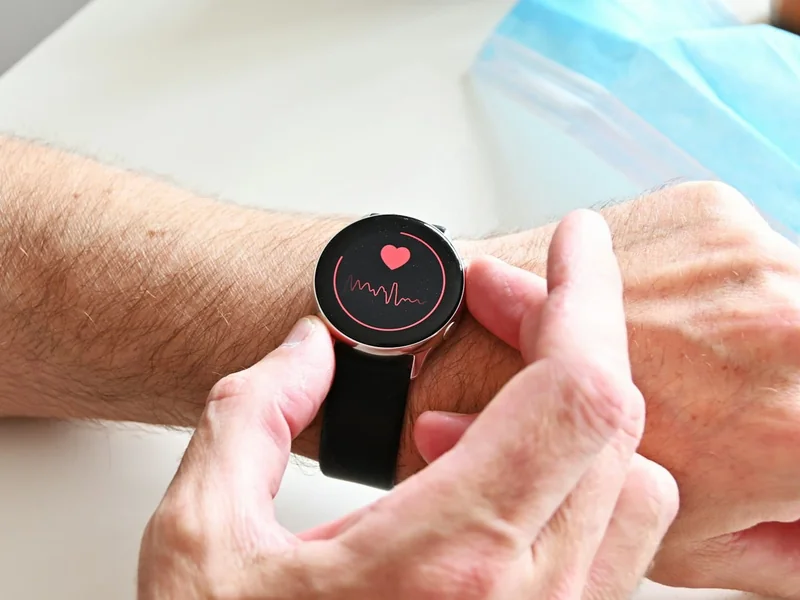
Heart rate zones are useful, but almost everyone builds them on a formula that's wrong by 10 to 15 beats for most people. How the zones work, why 220-minus-age fails, and how to set yours up so the numbers mean something.
5K Build Phase: Threshold Intervals
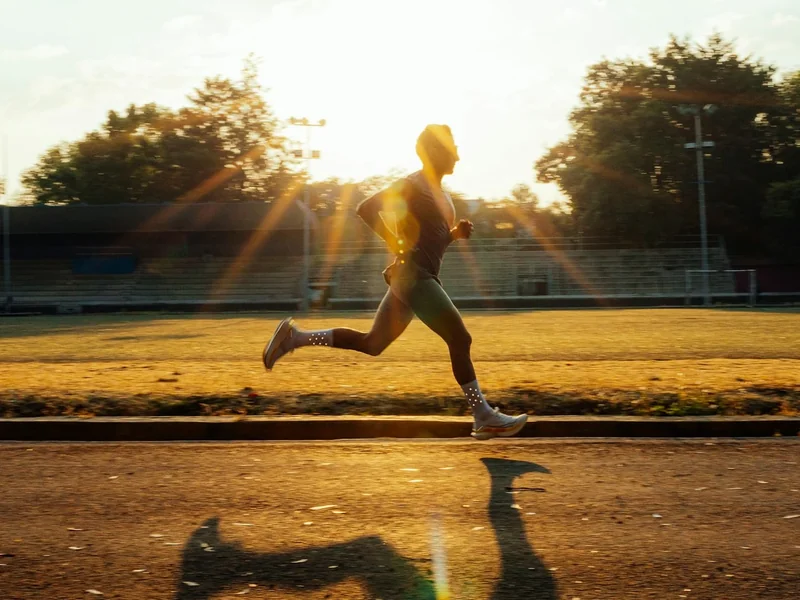
A 3.7-mile (6km) interval session: warm-up, three 0.3-mile (500m) threshold reps with easy jog recoveries, and a cooldown. What threshold running is, how to pace it, and how to fit your first proper hard session into the week.

Why Easy Runs Should Feel Easy: Planning a Polarized Training Year
Easy runs are easy so your hard runs can be hard. How to shift the balance of easy and hard training through the year for any race distance, and how to measure your runs so you know you're getting it right.

Sleep and Running Performance
Sleep is the most powerful recovery tool a runner has, and the most neglected. Where it ranks against everything else, what poor sleep does to your running, how to track it without obsessing, and the evidence behind naps, sleep masks, bedroom temperature and binaural beats.
Cadence: Does It Really Matter?
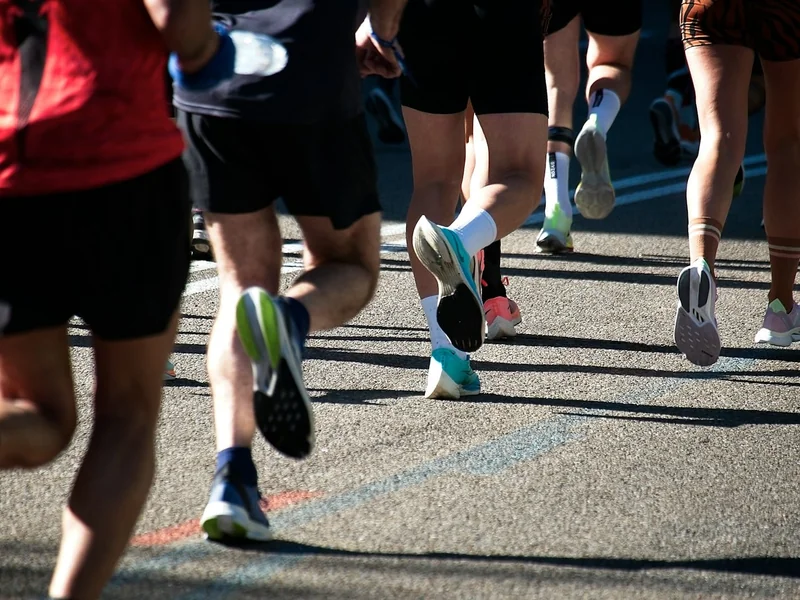
180 steps per minute is one of running's most repeated numbers, and one of its most misunderstood. What the research says about slow cadence, whether your height sets your step rate, and when it's worth training to raise it.